

Hey there! As a drill pipe supplier, I've seen firsthand how crucial corrosion resistance is in the oil and gas industry. Drill pipes are constantly exposed to harsh environments, including corrosive fluids, high pressures, and extreme temperatures. If they're not resistant to corrosion, they can quickly deteriorate, leading to costly repairs, downtime, and even safety hazards. In this blog post, I'll take a closer look at the corrosion resistance properties of drill pipes and why they matter.
Understanding Corrosion
Before we dive into the corrosion resistance properties of drill pipes, let's first understand what corrosion is. Corrosion is a natural process that occurs when a metal reacts with its environment. In the case of drill pipes, the environment can include water, oxygen, acids, salts, and other chemicals. When these substances come into contact with the metal surface of the drill pipe, they can cause it to rust, pit, or crack.
There are several types of corrosion that can affect drill pipes, including:
- Uniform corrosion: This is the most common type of corrosion, where the entire surface of the metal is corroded at a relatively uniform rate.
- Pitting corrosion: This type of corrosion occurs when small holes or pits form on the surface of the metal. Pitting corrosion can be particularly dangerous because it can lead to the failure of the drill pipe without any visible signs of damage.
- Crevice corrosion: This type of corrosion occurs in narrow gaps or crevices between two metal surfaces. Crevice corrosion can be difficult to detect and can cause significant damage to the drill pipe.
- Stress corrosion cracking: This type of corrosion occurs when a metal is exposed to a corrosive environment while under stress. Stress corrosion cracking can cause the drill pipe to crack and fail suddenly, which can be extremely dangerous.
Factors Affecting Corrosion Resistance
The corrosion resistance of drill pipes depends on several factors, including:
- Material composition: The type of metal used to make the drill pipe can have a significant impact on its corrosion resistance. For example, drill pipes made from high-alloy steels, such as stainless steel, are generally more resistant to corrosion than those made from carbon steels.
- Surface finish: The surface finish of the drill pipe can also affect its corrosion resistance. A smooth, clean surface is less likely to corrode than a rough, dirty surface.
- Coating: Applying a protective coating to the surface of the drill pipe can help to prevent corrosion. There are several types of coatings available, including epoxy, polyurethane, and zinc.
- Environment: The environment in which the drill pipe is used can also affect its corrosion resistance. For example, drill pipes used in offshore oil and gas operations are exposed to saltwater, which is highly corrosive.
Corrosion Resistance Properties of Different Drill Pipe Grades
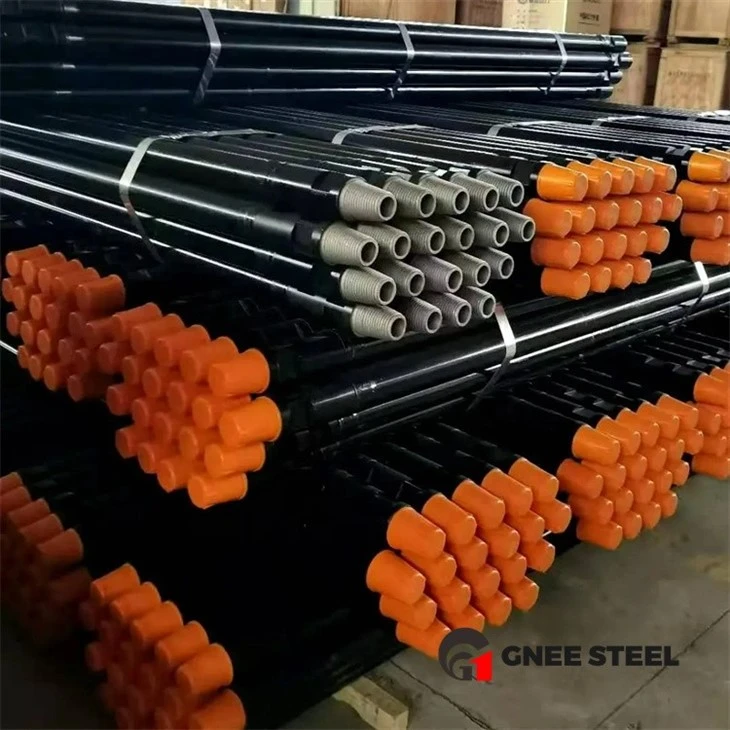
As a drill pipe supplier, we offer a wide range of drill pipe grades, each with its own unique corrosion resistance properties. Here are some of the most common drill pipe grades and their corrosion resistance properties:
- API 5DP Drill Pipe Grade X95: This grade of drill pipe is made from high-strength steel and is designed for use in high-pressure, high-temperature applications. It has excellent corrosion resistance properties, making it suitable for use in harsh environments. API 5DP Drill Pipe Grade X95
- 45MnMoB Geological Drilling Pipes: These drill pipes are made from a special alloy steel and are designed for use in geological drilling applications. They have good corrosion resistance properties and are suitable for use in a variety of environments. 45MnMoB Geological Drilling Pipes
- E75 Steel Grade Drilling Pipe: This grade of drill pipe is made from carbon steel and is designed for use in low-pressure, low-temperature applications. It has moderate corrosion resistance properties and is suitable for use in less harsh environments. E75 Steel Grade Drilling Pipe
Importance of Corrosion Resistance in Drill Pipes
The corrosion resistance of drill pipes is important for several reasons, including:
- Safety: Corroded drill pipes can weaken and fail, which can lead to serious safety hazards. By using drill pipes with good corrosion resistance properties, you can help to ensure the safety of your workers and equipment.
- Cost savings: Corroded drill pipes need to be replaced more frequently, which can be costly. By using drill pipes with good corrosion resistance properties, you can reduce the frequency of replacements and save money in the long run.
- Productivity: Corroded drill pipes can cause downtime, which can reduce productivity. By using drill pipes with good corrosion resistance properties, you can minimize downtime and keep your operations running smoothly.
How to Improve Corrosion Resistance
There are several ways to improve the corrosion resistance of drill pipes, including:
- Choose the right material: As mentioned earlier, the type of metal used to make the drill pipe can have a significant impact on its corrosion resistance. By choosing a high-alloy steel or a stainless steel drill pipe, you can improve its corrosion resistance.
- Apply a protective coating: Applying a protective coating to the surface of the drill pipe can help to prevent corrosion. There are several types of coatings available, including epoxy, polyurethane, and zinc.
- Maintain proper storage and handling: Proper storage and handling of drill pipes can also help to prevent corrosion. Drill pipes should be stored in a dry, clean environment and should be protected from moisture and other corrosive substances.
- Inspect regularly: Regular inspection of drill pipes can help to detect corrosion early and prevent it from spreading. Drill pipes should be inspected for signs of rust, pitting, or cracking on a regular basis.
Conclusion
In conclusion, the corrosion resistance properties of drill pipes are crucial for the safety, cost savings, and productivity of oil and gas operations. By understanding the factors that affect corrosion resistance and choosing the right drill pipe grade, you can ensure that your drill pipes are able to withstand the harsh environments in which they are used. If you're in the market for drill pipes, I encourage you to contact us to learn more about our products and how we can help you meet your needs. We're here to provide you with the highest quality drill pipes and the best customer service possible.

References
- Fontana, M. G. (1986). Corrosion engineering. McGraw-Hill.
- Uhlig, H. H., & Revie, R. W. (1985). Corrosion and corrosion control: an introduction to corrosion science and engineering. Wiley.
- Jones, D. A. (1996). Principles and prevention of corrosion. Prentice Hall.


