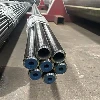
A pup joint is a pipe connection component used in the extraction of energy resources such as oil and gas. It typically refers to a short section of tubing or casing used to connect, transition, or adjust the tubing string structure. The following is a detailed introduction to tubing pup joints:
1. Definition and Applications
Definition: A tubing pup joint is a short section of tubing or casing, typically used to connect pipes of different specifications or to serve as a transition or adjustment within the tubing string.
Applications:
Connecting pipes of different diameters: For example, connecting a large-diameter casing to a small-diameter tubing.
Adjusting tubing string length: Adjusting the total length of the tubing string as needed during drilling or well completion.
Transition function: Serving as a transition between different types of tubing within the tubing string.
Repair and replacement: Using pup joints for quick repair when the tubing string is damaged or requires replacement of a portion of the tubing.
2. Types and Specifications
Types:
Standard Pup Joint: A standard length pup joint used for routine connections.
Double-male short joint: A short joint with male threads at both ends, used to connect two female-threaded pipes.
Thickened integral short joint: The pipe body is thickened at both ends to improve connection strength and pressure resistance.
Specifications:
Length is typically between 0.3 meters and 6 meters, with the specific length determined according to application requirements.
Steel grade and specifications are consistent with ordinary tubing or casing. Common steel grades include J55, N80, P110, etc.
Thread types include API standard threads (such as REG, TBG, etc.) and special thread threads.

3. Manufacturing Process
Material Selection: Usually uses the same steel as tubing or casing to ensure strength and corrosion resistance.
Processing Technology:
Friction welding: The short joint is connected to the pipe body by friction welding to ensure weld strength and sealing.
Heat treatment: The welded area is heat-treated to relieve stress and improve toughness.
Thread machining: Threads are machined according to API standards or customer requirements to ensure connection accuracy.
4. Advantages
High Flexibility: The tubing string length can be adjusted to meet actual needs, or different specifications of tubing can be connected.
Easy Installation: The shorter length of the connector facilitates transportation and installation.
High Reliability: Utilizing the same materials and processes as tubing or casing ensures connection strength and pressure resistance.
Lower Cost: Compared to fixed-length tubing, connectors are less expensive and easier to manage inventory.
5. Application Scenarios
Drilling Engineering: Used to connect drill pipes or casings of different diameters during drilling.
Well Completion Operations: Used to adjust tubing string length or connect special tools during well completion.
Well Workover Operations: Used to replace damaged tubing or adjust tubing string structure during well workover.
Oil and Gas Production: Used to connect tubing and casing during oil and gas production to ensure smooth fluid transport.
6. Precautions
Specification Matching: Ensure the connector specifications (e.g., steel grade, thread type, outer diameter, etc.) match the connected tubing.
Installation Quality: Ensure tight threaded connections during installation to prevent leaks or loosening.
Inspection and Testing: Before use, perform non-destructive testing (such as ultrasonic testing, magnetic particle testing, etc.) on the short circuit to ensure it is free of defects.