




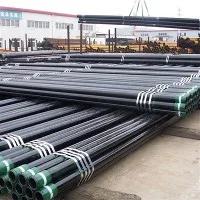
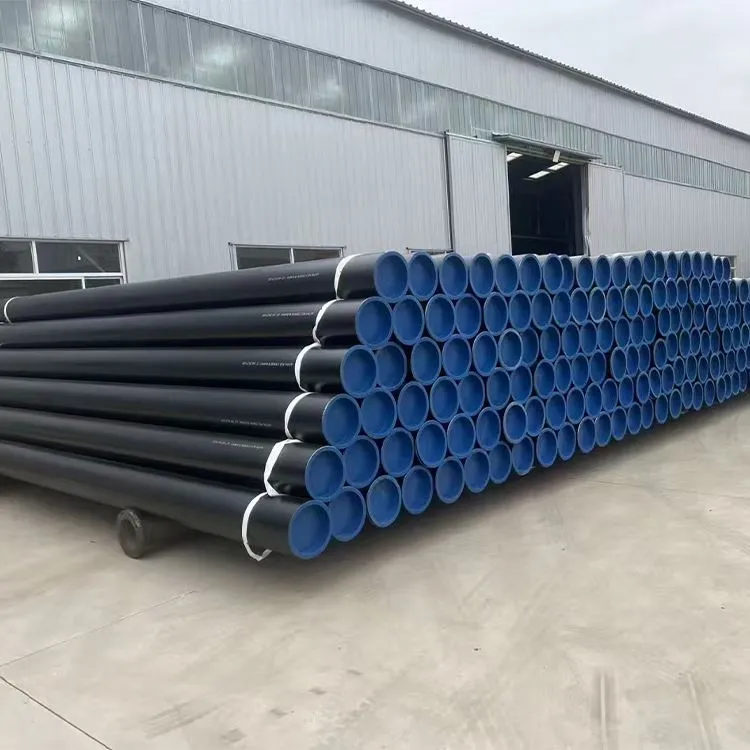

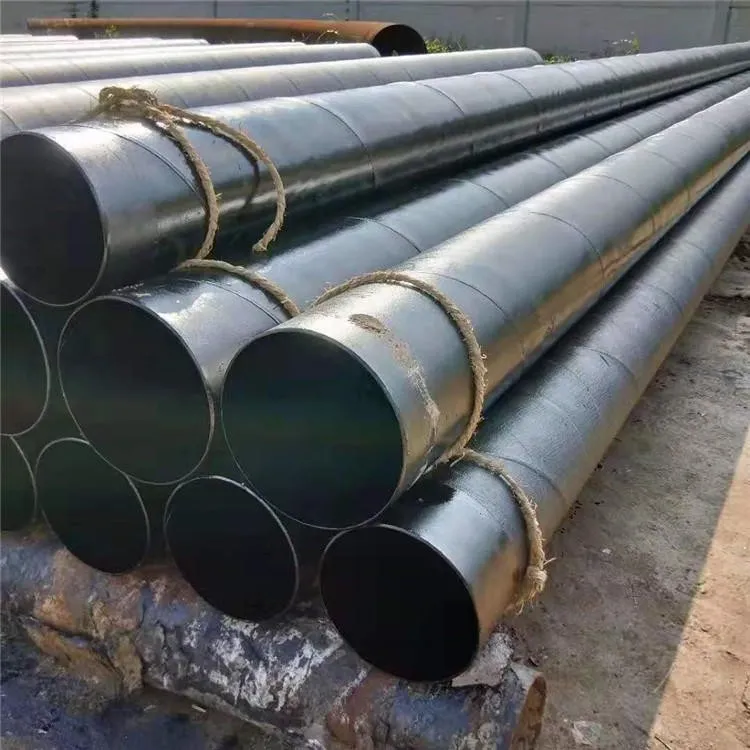
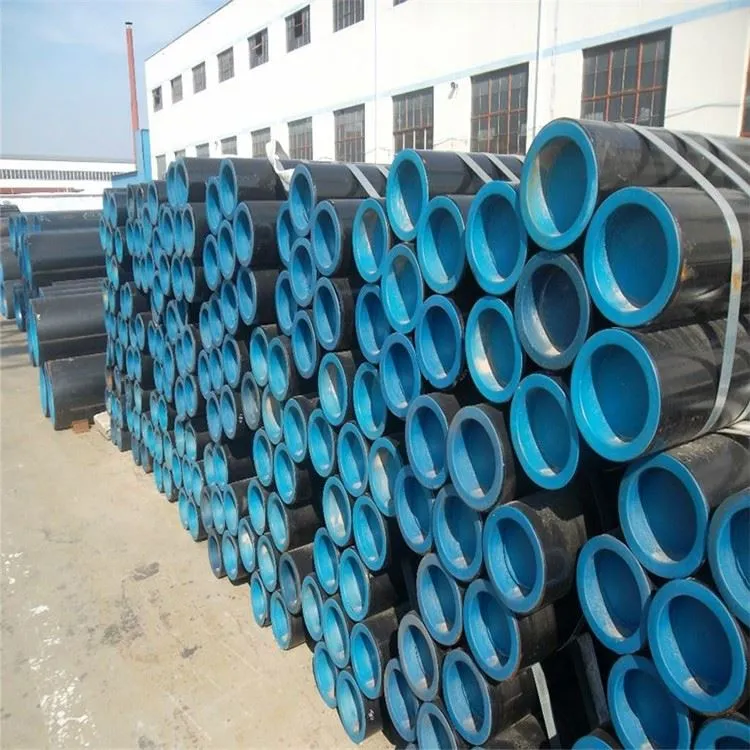
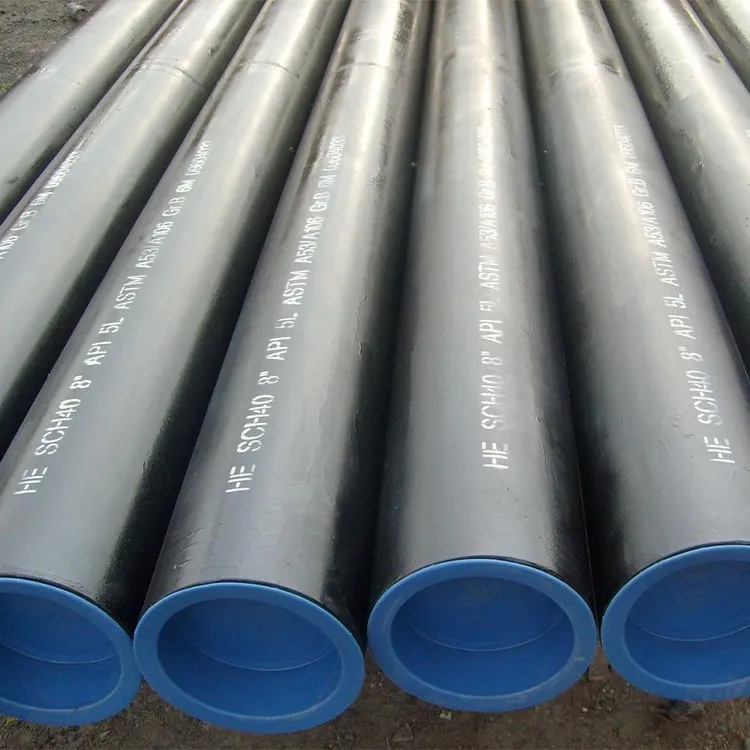
API 5L X70 PSL2 Seamless Pipes
API 5L X70 PSL2 Seamless Pipe: Specification, Properties, and Applications
API 5L X70 PSL2 seamless pipe (also referred to as L485 pipe) is a high-performance steel grade designed for high-pressure oil and gas transmission. As one of the high-strength grades in the API 5L specification, X70 offers a minimum yield strength of 70,300 psi (485 MPa), providing a superior strength-to-weight ratio for critical pipeline infrastructure.
API 5L X70 PSL1 vs. PSL2: The Main Differences
When sourcing X70 pipe, understanding the difference between Product Specification Level 1 (PSL1) and Level 2 (PSL2) is vital.
| Feature | X70 PSL1 | X70 PSL2 |
| Impact Test | Not Required | Mandatory (CVN Test) |
| Chemistry | Basic Control | Strict limits on C, S, P, and CEQ |
| Traceability | Not Required | Full traceability mandatory |
| Weldability | Standard | Enhanced (due to CEQ limits) |
| Seamless Supply | Common | Most Common for High Pressure |
Chemical Composition of API 5L X70 PSL2 Seamless Pipe
| Element | Max Mass Fraction (%) [Heat Analysis] |
| Carbon (C) | 0.24 |
| Manganese (Mn) | 1.70 |
| Phosphorus (P) | 0.025 |
| Sulfur (S) | 0.015 |
| Silicon (Si) | 0.45 |
| Niobium (Nb) | 0.15 (Note 1) |
| Vanadium (V) | 0.15 (Note 1) |
| Titanium (Ti) | 0.15 (Note 1) |
| Carbon Equivalent ( CEiiw) | 0.43 (Note 2) |
| Carbon Equivalent ( CEpcm ) | 0.25 (Note 2) |
Mechanical Properties of Grade X70 (L485)
| Property | Value (Metric - MPa) | Value (Imperial - psi) |
| Yield Strength ( Rt0.5) | 485 ~ 635 | 70,300 ~ 92,100 |
| Tensile Strength (Rm) | 570 ~ 760 | 82,700 ~ 110,200 |
| Yield-to-Tensile Ratio | ≤ 0.93 | ≤ 0.93 |
| Elongation ( Af ) | By formula (Note 1) | By formula |
Why Choose Seamless for X70 Grade?
While X70 can be manufactured as welded pipe (LSAW/HFW), seamless X70 pipe is preferred for specific applications:
Higher Pressure Rating: Without a longitudinal weld seam, the pipe body is more uniform and better suited for extreme internal pressures.
Reliability in Deep Sea: Seamless construction eliminates the risk of weld-related defects in subsea environments.
Heavy Wall Thickness: Seamless processes allow for thicker walls (SCH 80, SCH 160) which are often required for high-strength X70 projects.
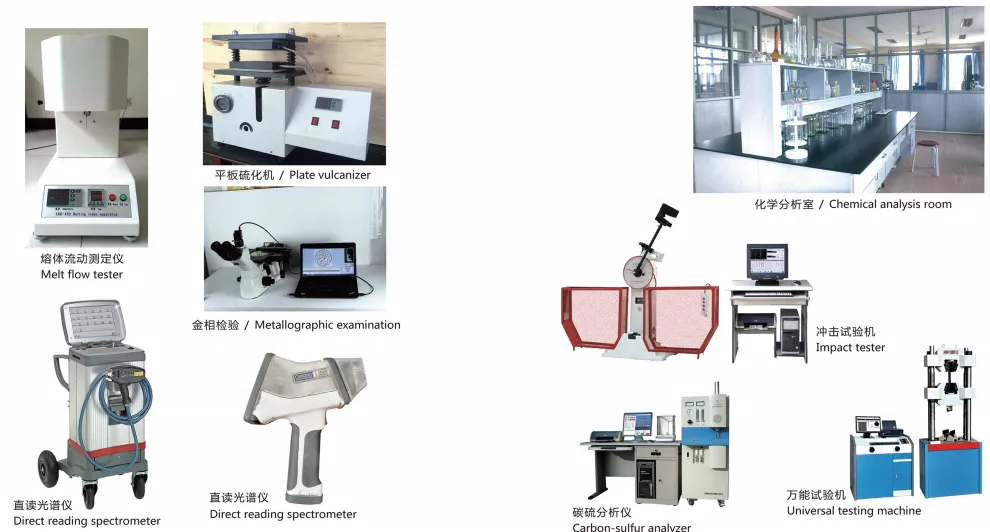
Tests Referred API 5L X70 pipe
Hydrostatic Testing (Mandatory for All)
Every single length of API 5L X70 pipe must be hydrostatically tested at the mill.
Objective: To ensure there are no leaks or structural defects under pressure.
Pressure: The pipe is filled with water and pressurized to a level that stresses the pipe to approximately 90% of its yield strength for at least 5–10 seconds.
Non-Destructive Testing (NDT)
NDT methods are used to find hidden internal or surface flaws without damaging the pipe.
Ultrasonic Testing (UT): The primary NDT method for X70 pipes. It scans the full length of the weld seam and the pipe ends for internal defects.
Radiographic Testing (X-Ray): Used primarily to verify the quality of the weld seam at the pipe ends or to investigate "indications" found by UT.
Magnetic Particle Inspection (MPI): Used on the pipe ends (bevels) to detect any surface cracks or laminations.
Dimensional and Visual Inspection
Visual Inspection: Looking for surface defects like scabs, slivers, or deep scratches.
Wall Thickness & Diameter: Measured at multiple points to ensure they fall within the tight API 5L tolerances.
Bevel Inspection: Checking the pipe ends (usually 30° +5°/-0°) to ensure they are ready for field welding.
Sour Service Testing (Specialized for X70MS/QS)
If the X70 pipe is intended for H2S environments (NACE MR0175), additional tests are required:
HIC (Hydrogen-Induced Cracking): Evaluates the pipe's resistance to cracking in acidic environments.
SSC (Sulfide Stress Cracking): Tests the material's long-term durability under stress in the presence of H2S.
Hardness Test: For X70 Sour Service, the hardness is typically capped at 22 HRC (250 HV10).
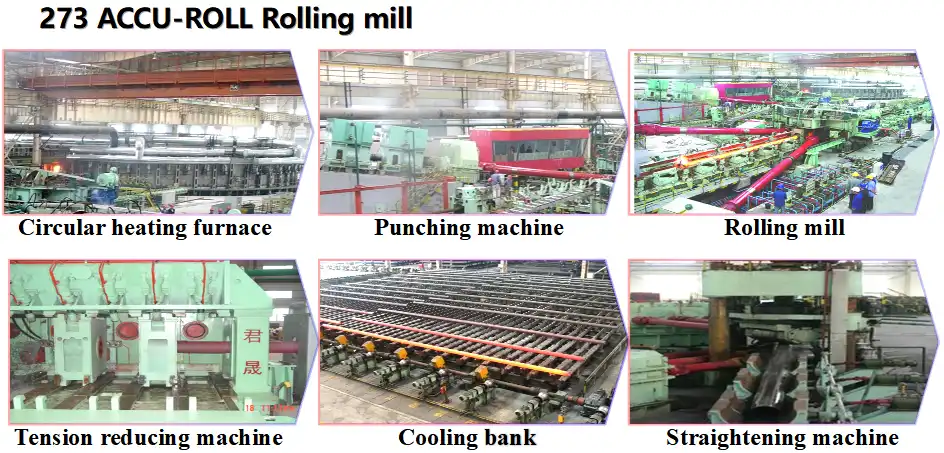
GNEE Pipe process line
GNEE Pipe test equipments
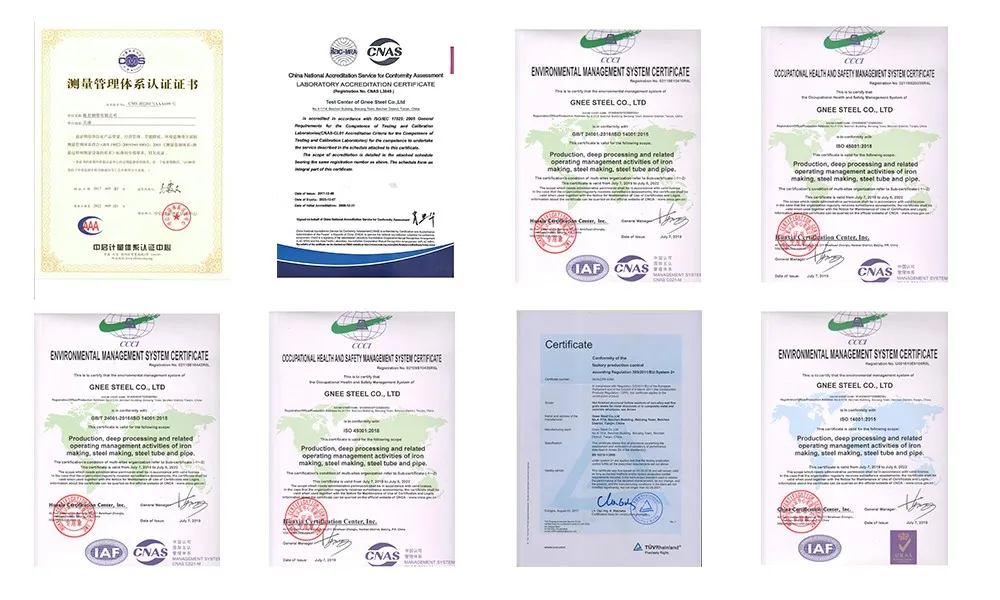
GNEE Pipe certificate
FAQ
Is API 5L X70 equivalent to ASTM A106?
No. ASTM A106 is a standard for high-temperature service with much lower yield strength (Grade B is only 35,000 psi). X70 is nearly twice as strong and is designed specifically for cross-country and offshore pipelines.
Can X70 pipe be used in Sour Service?
Yes, but you must specify API 5L X70MS or X70QS. These pipes meet NACE MR0175/ISO 15156 requirements, with specialized HIC and SSCC testing.
What is the advantage of X70 over X65?
X70 allows for a reduction in wall thickness by about 7-10% compared to X65 for the same pressure rating. This reduces total steel tonnage, lowering material and transportation costs for long-distance projects.
Hot Tags: api 5l x70 psl2 seamless pipes, China api 5l x70 psl2 seamless pipes manufacturers, suppliers, factory, api 5l line pipe for crude oil transportation, api 5l line pipe for gas transportation, api 5l pipe for infrastructure projects, api 5l line pipe for fuel transportation, api 5l pipe for liquid transportation, api 5l line pipe for irrigation
Previous
API 5CT N80 Casing PipesYou Might Also Like


Send Inquiry