


In the oil and gas industry, the terms Drill String and Drill Stem are often used interchangeably in casual conversation, but they have a specific technical distinction according to API (American Petroleum Institute) definitions.
The simplest way to remember it is: The Drill Stem includes the Drill String.
Optimizing Your Drill Stem Performance? Source All Components from One Reliable Supplier.
The Drill Stem
The Drill Stem is the entire assembly of components used to rotate the bit and provide a conduit for drilling fluid from the surface down to the bottom of the hole. It is the "all-encompassing" term.
It includes:
The Kelly / Top Drive components: The parts at the surface that provide the rotation.
The Drill String: Everything that goes into the wellbore.
The Drill Bit: The cutting tool at the very bottom.
The Drill String
The Drill String is specifically the portion of the assembly that is lowered into the wellbore. It starts below the Kelly (or Top Drive) and ends just above the drill bit.
It includes:
Drill Pipe: The majority of the length.
Heavy Weight Drill Pipe (HWDP): The transition pipe.
Bottom Hole Assembly (BHA): Drill collars, stabilizers, mud motors, jars, etc.
(Technically, the Drill String usually excludes the bit and the Kelly).
Core Component Technical Parameters
The performance of the system depends on its individual components. Below are the technical specifications for the primary elements of the assembly:
| Component Name | Common OD | Common Grades / Materials | Typical Connection | Key Performance Indicators |
| Drill Pipe (DP) | 2-⅞", 3-½", 5", 5-½" | E-75, X-95, G-105, S-135 | NC31, NC38, NC50 (IF) | Tensile strength, torsional yield, pipe class (New/Premium). |
| Heavy Weight Drill Pipe (HWDP) | 3-½", 5", 5-½" | AISI 4145H Alloy Steel | NC38, NC50 | Wear resistance of center upset, transition zone rigidity. |
| Drill Collar (DC) | 4-¾", 6-½", 8", 9-½" | AISI 4145H / Non-Mag | NC35, NC46, 6-⅝" Reg | Weight per foot (lb/ft), Bending Strength Ratio (BSR). |
| Kelly | 3-½", 4-¼", 5-¼" | Quenched & Tempered Alloy | Left-hand (top) / Right-hand (bottom) | Drive surface hardness (Square/Hex), straightness. |
Comparison Table
| Feature | Drill String | Drill Stem |
| Scope | Part inside the wellbore. | The entire rotating assembly. |
| Includes Kelly/Top Drive? | No | Yes |
| Includes Drill Bit? | Usually No | Yes |
| Includes Drill Pipe? | Yes | Yes |
| Primary Reference | Used when discussing downhole loads and pipe handling. | Used in engineering specs (e.g., API RP 7G) for the whole system. |
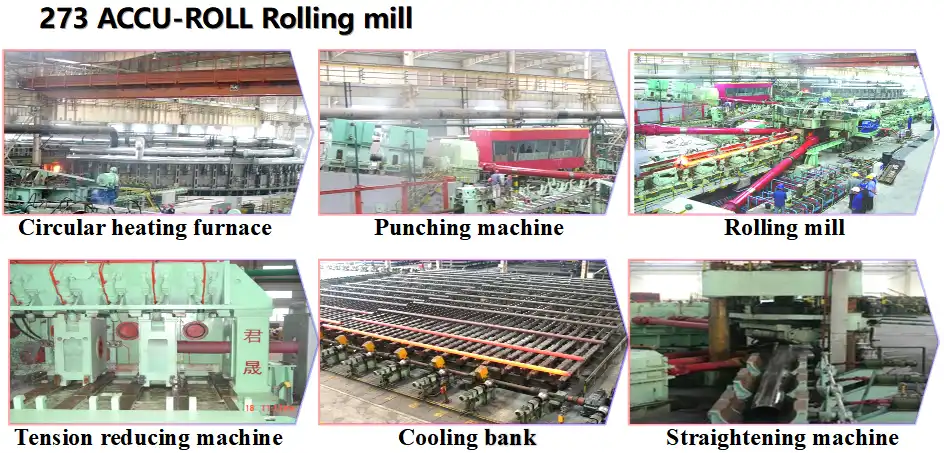
drill string and drill stem factory
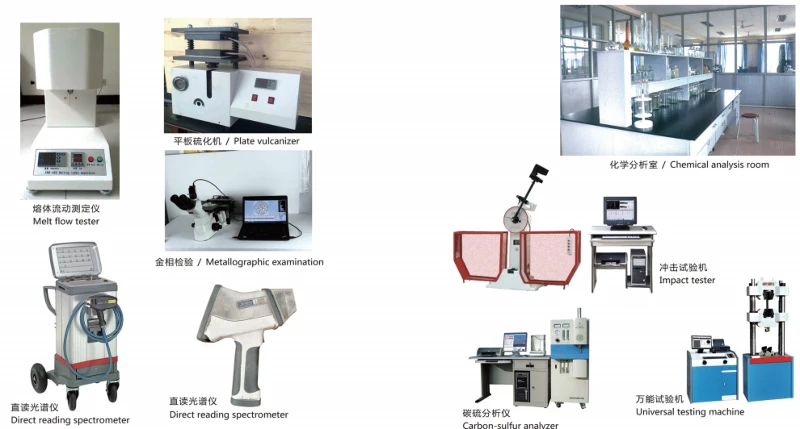
drill string and drill stem test equipments
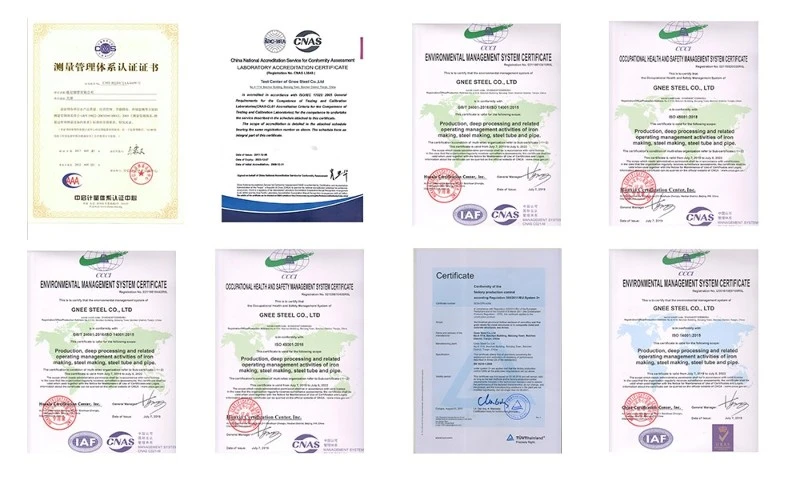
Drill String and drill stem certificate
FAQ
What is a drill stem used for?
The drill stem is a core component in oil well drilling, primarily used to transmit torque, deliver drilling fluid, withstand downhole complex loads, and connect various downhole tools.
Its specific functions are as follows:
Torque transmission: Transfers rotary power from the surface drilling rig to the drill bit, driving it to break up rock formations.
Drilling fluid delivery: Conveys high-pressure drilling fluid to the bottom of the well through its hollow structure, for the purposes of cooling the drill bit, carrying cuttings to the surface, and balancing formation pressure.
Withstanding composite stresses: Endures varying combined loads-including tension, compression, torsion, and bending-during the drilling process, particularly under significant conditions such as in deep and directional wells.
Connection of bottom hole assembly (BHA): Serves as the main structural element connecting components such as the drill bit, drill collars, and stabilizers to form a complete bottom hole assembly (BHA), enabling effective wellbore trajectory control.
What is a drill string?
A drill string is a long column of connected pipes that links a drilling rig at the surface to the drill bit at the bottom of the well.It primarily consists of drill pipe, heavy-weight drill pipe, and the bottom hole assembly (BHA).


