


In the API 5L specification (the standard for line pipe used in oil and gas), PSL stands for Product Specification Level.
PSL2 is a higher, more stringent quality standard compared to the basic PSL1. It is designed for high-performance pipelines where safety, environmental protection, and mechanical reliability are critical (such as high-pressure transmission lines, offshore use, or sour service).
Key Differences at a Glance
| Feature | PSL1 | PSL2 |
| Mechanical Properties | Only Minimums are specified. | Both Minimums and Maximums are specified. |
| Impact Testing | Not Required. | Mandatory (Charpy V-notch testing). |
| Weldability | Basic chemical control. | Strict Carbon Equivalent (CEQ) limits. |
| Traceability | Limited traceability. | Full Traceability (mandatory records from melt to end product). |
| Repair | Repair by welding is allowed. | Repair of pipe body by welding is Prohibited. |
Mandatory Impact Testing (The Biggest Difference)
The most significant requirement for PSL2 is the Charpy V-notch (CVN) impact test.
Why it matters: This test measures the steel's toughness and its ability to resist fracture at specific temperatures (e.g., 0°C or -20°C).
Result: PSL1 pipes may become brittle in cold or high-pressure environments, whereas PSL2 pipes are guaranteed to remain ductile and resist crack propagation.
Stricter Chemical Composition
PSL2 has much tighter limits on the chemical elements that affect welding and corrosion resistance.
Carbon Equivalent (CEQ): PSL2 strictly limits the CEQ (often ≤0.43 ). This ensures that the pipe can be easily welded in the field without the risk of "cold cracking" in the weld zone.
Impurities: PSL2 has lower maximum limits for Sulfur (S) and Phosphorus (P), which reduces internal weaknesses in the steel.
Mechanical Property "Windows"
PSL1: Only requires that the pipe is "strong enough" (Minimum Yield Strength).
PSL2: Requires that the pipe is strong enough but not too hard. It specifies a maximum yield and tensile strength.
Why? If steel is too strong, it can become brittle and lose its ability to bend or handle stress, which is dangerous in earthquake zones or deep-sea environments.
Full Traceability
For PSL2, the manufacturer must maintain a "paper trail" for every single pipe.
You can trace a specific piece of pipe back to the exact "heat" (the specific batch of molten steel) it came from.
This is mandatory for high-risk projects where engineers need to verify the exact material properties of every kilometer of the pipeline.
Non-Destructive Testing (NDT)
While both levels undergo testing, PSL2 requires more rigorous non-destructive inspections (such as Ultrasonic or Radiographic testing) of the entire weld seam and often the pipe ends to ensure there are no hidden defects.
Which one do you need?
Choose PSL1: For low-pressure, standard water lines, or gathering lines in non-critical environments where cost is the main factor.
Choose PSL2: For all major oil and gas transmission lines, high-pressure systems, offshore projects, and any environment where a pipe failure would be catastrophic.
GNEE Pipe process line

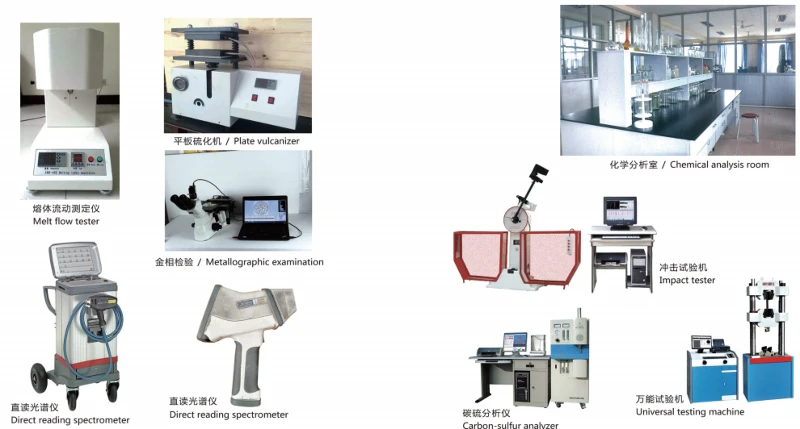
GNEE Pipe test equipments
GNEE Pipe certificate

FAQ
What is the difference between PSL 1 and PSL 2
In the API 5L specification for line pipe, PSL stands for Product Specification Level. While both levels cover the same steel grades, PSL2 is a much more rigorous standard with stricter requirements for chemistry, mechanical properties, and testing.
What does PSL2 mean on pipe
When you see PSL2 marked (stenciled) on a steel pipe, it stands for Product Specification Level 2. It is a mandatory classification under the API 5L standard (American Petroleum Institute) for line pipes used in the oil and gas industry.


