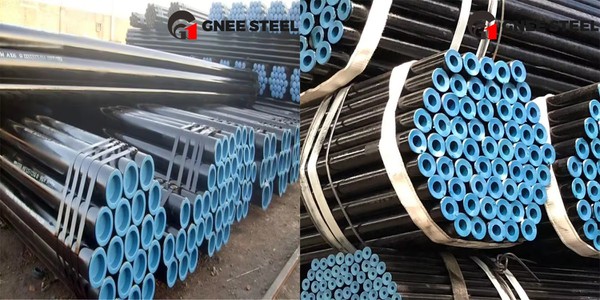
In terms of chemical composition, the upper limits of carbon content of the two are similar in conventional and PSL2 grades. The upper limit of manganese content of X42 is 1.30%, and that of X46 is 1.40%. The phosphorus and sulfur contents in PSL2 grade are also more strictly limited and the same for the two. In terms of mechanical properties, the minimum yield strength of X42 is 290MPa and the tensile strength is 415MPa; the minimum yield strength of X46 is 320MPa and the tensile strength is 435MPa.
In application scenarios, due to its higher strength, X46 is more suitable for high-pressure oil and gas pipeline systems, and can ensure safety and stability in high-pressure environments. In corrosive environments, its corrosion resistance is also better than that of X42, which can extend the life of the pipeline.
In the production process, X46 requires greater rolling force and more precise parameter control during rolling, because the high strength makes rolling difficult; during heat treatment, the parameters are more strictly controlled, and fine adjustments are required to balance strength and toughness, while the rolling and heat treatment processes of X42 are relatively loose. These differences enable them to play their own unique roles in the oil and gas industry according to different working conditions, meet diverse engineering needs, and ensure the quality and efficiency of projects from the material selection stage of pipeline construction.
API 5L X42N PSL2 Carbon Steel Line tube