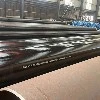
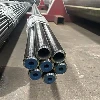
Oil casing pipe is a steel pipe used to support the well wall of oil and gas wells to ensure the normal operation of the entire oil well during the drilling process and after completion. Each well uses several layers of casing based on different drilling depths and geological conditions. Cement must be used to cement the casing after it is lowered into the well. Unlike oil pipes and drill pipes, it cannot be reused and is a one-time consumable material. Therefore, the consumption of casing accounts for more than 70% of all oil well pipes.
Casing is a series of steel pipes inserted into a drilled oil well to stabilize the well, prevent contaminants and water from entering the oil flow, and prevent oil from seeping into the groundwater. The casing is installed in layers of sections of decreasing diameter that are joined together to form the casing string. Casing can be divided into: conduit, surface casing, technical casing and oil layer casing according to usage.
Different types of casing used in oil extraction process:
1. Surface oil casing: protects drilling wells from contamination by shallow water and gas layers, supports wellhead equipment and maintains the weight of other layers of casing.
2. Technical oil casing: Separate the pressure at different levels to facilitate the normal circulation of drilling fluid and protect the production casing. Install anti-burst devices, anti-leak devices and tail pipes in the drilling well.
3. Oil layer casing: conducts oil and natural gas from reservoirs beneath the earth's surface. Used to protect drilling wells and layer drilling mud. When producing oil casing, the outer diameter usually ranges from 114.3 mm to 508 mm.
According to the strength of the steel itself, casing can be divided into different steel grades, namely J55, K55, N80, L80, C90, T95, P110, Q125, V150, etc. Different well conditions and well depths require different steel grades. In corrosive environments, the casing itself is also required to have corrosion resistance. In places with complex geological conditions, the casing is also required to have anti-collapse properties.