


In the drilling industry, drill collars are heavy, thick-walled, and rigid steel tubes that form the primary part of the Bottom Hole Assembly (BHA). While the drill pipe makes up the bulk of the length of the well, the drill collars do the "heavy lifting" at the bottom.
From 3-1/8" to 9-1/2", we have the weight you need. Check our real-time drill collar inventory.
four primary uses of drill collars:
Providing Weight on Bit (WOB)
This is the most critical function of a drill collar. To drill through rock, the drill bit needs downward pressure.
Because drill collars are extremely heavy (several tons per joint), they use gravity to push the bit into the formation.
Without drill collars, the thin-walled drill pipe would be too light to provide the force necessary for the bit to cut effectively, resulting in a poor Rate of Penetration (ROP).
Keeping the Drill Pipe in Tension
Standard drill pipe is relatively flexible. If you try to "push" a long string of thin pipe from the top, it will buckle, bend, and eventually snap (similar to pushing a piece of wet spaghetti).
By placing heavy drill collars at the bottom, the "Neutral Point" (the transition between compression and tension) is kept within the thick-walled collars.
This ensures that the entire string of drill pipe above the collars is always being pulled (in tension), which keeps the string straight and prevents mechanical failure.
Maintaining Verticality and Stability (The Pendulum Effect)
Drill collars are extremely rigid and resist bending.
Their stiffness acts like a plumb bob, helping the drill bit maintain a straight, vertical path.
In directional drilling, the rigidity of the collars provides a stable platform for steering tools and ensures the wellbore does not deviate unintentionally.
Dampening Vibrations
As the drill bit grinds through different rock layers, it creates significant "chatter" and high-frequency vibrations.
The massive mass of the drill collar acts as a shock absorber, dampening these vibrations before they can travel up the string and damage the more delicate drill pipe or surface equipment.
Special Types Applications
Depending on the well environment, different designs of drill collars are used:
Slick Drill Collars: Standard smooth cylinders used in most vertical, low-risk wells.
Spiral Drill Collars: These have helical grooves machined into the surface. They are used to prevent Differential Sticking (where the pipe gets sucked against the wellbore wall due to pressure differences) by reducing the contact surface area.
Non-Magnetic Drill Collars: Made from specialized stainless steel. These are used to house MWD (Measurement While Drilling) tools, as they do not interfere with the magnetic sensors used to navigate the well.
Summary Table: Why use a Drill Collar?
| Feature | The Role of the Drill Collar |
| Downward Force | Provides the gravity-based weight to crush rock. |
| Pipe Protection | Keeps the thin drill pipe from buckling under its own weight. |
| Accuracy | Its rigidity keeps the hole straight and reduces wandering. |
| Durability | Absorbs energy and heat, protecting the rest of the drill string. |
drill collars Factory

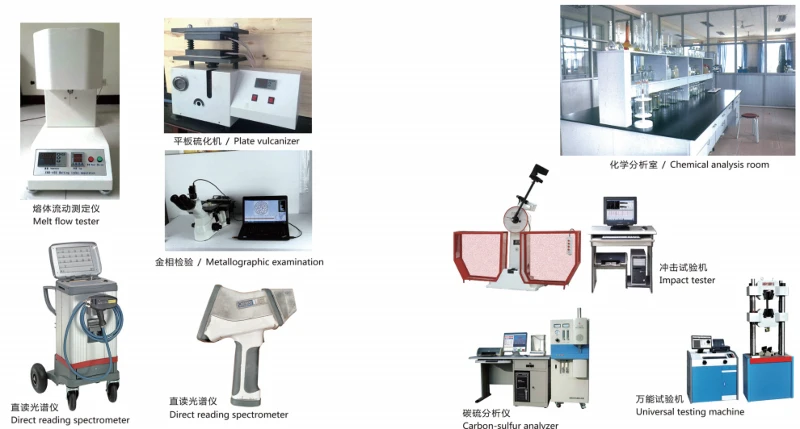
drill collars test equipments
drill collars certificate

FAQ
How many types of drill collars are there?
Drill collars are mainly divided into three basic types: solid drill collars, spiral drill collars, and non-magnetic drill collars. In addition, there are special-purpose types such as drill collars with kelly saver subs, short drill collars, square drill collars, and weighted drill collars.
What is the purpose of a drill collar?
The primary function of drill collars is to apply weight on bit (WOB), increase the stiffness of the drill string, stabilize the drilling operation, and control wellbore deviation. Located at the bottom of the drill string between the drill pipe and the bit, drill collars, with their substantial weight and high rigidity, ensure effective rock fragmentation during drilling.
Their specific functions include:
Applying WOB: Transferring axial force to the bit through their own weight, which is critical for efficient drilling;
Enhancing Stiffness: Reducing drill string bending and vibration, preventing bit deflection, and improving borehole quality;
Stabilizing Directional Control: Assisting in maintaining the desired wellbore trajectory in directional wells and avoiding excessive deviation;
Protecting Drilling Tools: Serving as a core component of the bottom hole assembly (BHA), mitigating stress concentration and extending the service life of both the drill bit and drill pipes.


