


Casing is a large-diameter steel pipe used to line the boreholes of oil and gas wells, as well as in civil engineering projects (such as bored piling foundations).
Think of casing as the "skeleton" or "structural shield" of the well. It is inserted into the drilled hole and typically secured with cement to ensure the stability of the entire wellbore or foundation.
Types of Casing by Functional Application
In a typical drilling operation, multiple "strings" of casing are used, each serving a unique purpose as the well gets deeper.
A. Conductor Casing
The first and largest string, usually ranging from 16 to 30 inches in diameter.
Purpose: It prevents the topsoil from washing out and provides a foundation for the drilling rig.
Common Grades: J55 or low-carbon structural steel.
B. Surface Casing
This string is set to protect freshwater aquifers from contamination by drilling fluids or hydrocarbons.
Purpose: It supports the blowout preventer (BOP) stack and provides structural integrity for subsequent strings.
Concern: Environmental compliance is the top priority here.
C. Intermediate Casing
Used in deeper wells to isolate "problem zones" where high pressure or unstable formations are encountered.
Purpose: It prevents the well from collapsing under intense lateral earth pressure.
Common Grades: K55 or L80 are often required for their higher strength and collapse resistance.
D. Production Casing (Oil String)
The final string that reaches the pay zone (the oil or gas reservoir).
Purpose: It provides a dedicated conduit for the production tubing and must withstand the highest internal pressures.
Concern: Internal "burst" pressure resistance is critical.
E. Liners
A liner is a casing string that does not extend back to the surface but is "hung" from the previous casing string.
Purpose: To save costs and reduce the weight of the total string in ultra-deep wells.
Types of Casing by Material and Grade (API 5CT)
Standardization is the language of global trade. Most overseas buyers adhere to the API 5CT standard. Understanding these grades is the key to cost-optimization.
| Casing Grade | Yield Strength (psi) | Best Use Case | Overseas Buyer Benefit |
| J55 | 55,000 – 80,000 | Shallow, low-pressure wells. | Most economical "commodity" grade. |
| K55 | 55,000 – 80,000 | Medium-depth wells; high tension. | 26% higher tensile strength than J55. |
| L80-1 | 80,000 – 95,000 | Sour Service ( H2S ) environments. | Controlled hardness (<23HRC) prevents cracking. |
| N80-Q | 80,000 – 110,000 | Deep wells with high collapse risk. | Quenched and tempered for high durability. |
| P110 | 110,000 – 140,000 | High-pressure, high-temperature (HPHT). | Maximum strength for extreme depths. |
Functions of Casing
Borehole Stabilization: During drilling, formation pressure can cause the hole to collapse inward. Casing provides the necessary structural support to keep the path open.
Environmental Isolation (Aquifer Protection): Casing seals off the oil and gas layers from freshwater aquifers, preventing drilling fluids or hydrocarbons from contaminating precious groundwater.
Pressure Containment: In deep drilling, casing must withstand high external pressures from the earth and high internal pressures from flowing oil and gas.
Structural Support: Heavy equipment like the Blowout Preventer (BOP) and the "Christmas Tree" (wellhead) are mounted on the casing head, which bears the weight.
Specification of Casing
|
Casing Size |
NominalWeight lb/ft |
Outside Diameter |
Wall Thickness |
Type of End Finish |
|||||||||
|
Grade |
|||||||||||||
|
in |
mm |
in |
mm |
J55 K55 |
L80-1 |
N80 |
C90 |
C95 |
T95 |
P110 |
M65 |
||
|
4 1/2" |
9.50 |
4.500 |
114.30 |
0.205 |
5.21 |
PS |
- |
- |
- |
- |
- |
- |
- |
|
10.50 |
4.500 |
114.30 |
0.224 |
5.69 |
PSB |
- |
- |
- |
- |
- |
- |
- |
|
|
11.60 |
4.500 |
114.30 |
0.250 |
6.35 |
PSLB |
PLB |
PLB |
PLB |
PLB |
PLB |
PLB |
PLB |
|
|
13.50 |
4.500 |
114.30 |
0.290 |
7.37 |
- |
PLB |
PLB |
PLB |
PLB |
PLB |
PLB |
PLB |
|
|
15.10 |
4.500 |
114.30 |
0.337 |
8.56 |
- |
- |
- |
- |
- |
- |
PLB |
- |
|
|
5" |
11.50 |
5.000 |
127.00 |
0.220 |
5.59 |
PS |
- |
- |
- |
- |
- |
- |
- |
|
13.00 |
5.000 |
127.00 |
0.253 |
7.52 |
PSLB |
- |
- |
- |
- |
- |
- |
- |
|
|
15.00 |
5.000 |
127.00 |
0.296 |
9.19 |
PSLB |
PLB |
PLB |
PLB |
PLB |
PLB |
PLB |
PLB |
|
|
18.00 |
5.000 |
127.00 |
0.362 |
9.19 |
- |
PLB |
PLB |
PLB |
PLB |
PLB |
PLB |
PLB |
|
|
21.40 |
5.000 |
127.00 |
0.437 |
11.10 |
- |
PLB |
PLB |
PLB |
PLB |
PLB |
PLB |
PLB |
|
|
23.20 |
5.000 |
127.00 |
0.478 |
12.14 |
- |
PLB |
PLB |
PLB |
PLB |
PLB |
PLB |
PLB |
|
|
24.10 |
5.000 |
127.00 |
0.500 |
12.70 |
- |
PLB |
PLB |
PLB |
PLB |
PLB |
PLB |
PLB |
|
|
5 1/2" |
14.00 |
5.500 |
139.70 |
0.244 |
6.20 |
PS |
- |
- |
- |
- |
- |
- |
- |
|
15.50 |
5.500 |
139.70 |
0.275 |
6.98 |
PSLB |
- |
- |
- |
- |
- |
- |
- |
|
|
17.00 |
5.500 |
139.70 |
0.304 |
7.72 |
PSLB |
PLB |
PLB |
PLB |
PLB |
PLB |
PLB |
PLB |
|
|
20.00 |
5.500 |
139.70 |
0.361 |
9.17 |
- |
PLB |
PLB |
PLB |
PLB |
PLB |
PLB |
PLB |
|
|
23.00 |
5.500 |
139.70 |
0.415 |
10.54 |
- |
PLB |
PLB |
PLB |
PLB |
PLB |
PLB |
PLB |
|
|
26.80 |
5.500 |
139.70 |
0.500 |
12.70 |
- |
- |
- |
P |
- |
P |
P |
P |
|
|
29.70 |
5.500 |
139.70 |
0.562 |
14.27 |
- |
- |
- |
P |
- |
P |
P |
P |
|
|
32.60 |
5.500 |
139.70 |
0.625 |
15.88 |
- |
- |
- |
P |
- |
P |
P |
P |
|
|
35.30 |
5.500 |
139.70 |
0.687 |
17.45 |
- |
- |
- |
P |
- |
P |
P |
P |
|
|
38.00 |
5.500 |
139.70 |
0.750 |
19.05 |
- |
- |
- |
P |
- |
P |
P |
P |
|
|
40.50 |
5.500 |
139.70 |
0.812 |
20.62 |
- |
- |
- |
P |
- |
P |
P |
P |
|
|
43.10 |
5.500 |
139.70 |
0.875 |
22.22 |
- |
- |
- |
P |
- |
P |
P |
P |
|
|
7" |
20.00 |
7.000 |
177.80 |
0.272 |
6.91 |
PS |
- |
- |
- |
- |
- |
- |
PS |
|
23.00 |
7.000 |
177.80 |
0.317 |
8.05 |
PSLB |
PLB |
PLB |
PLB |
PLB |
- |
- |
PLB |
|
|
26.00 |
7.000 |
177.80 |
0.362 |
9.19 |
PSLB |
PLB |
PLB |
PLB |
PLB |
PLB |
PLB |
PLB |
|
|
29.00 |
7.000 |
177.80 |
0.408 |
10.36 |
- |
PLB |
PLB |
PLB |
PLB |
PLB |
PLB |
PLB |
|
|
32.00 |
7.000 |
177.80 |
0.453 |
11.51 |
- |
PLB |
PLB |
PLB |
PLB |
PLB |
PLB |
PLB |
|
|
35.00 |
7.000 |
177.80 |
0.498 |
12.65 |
- |
PLB |
PLB |
PLB |
PLB |
PLB |
PLB |
PLB |
|
|
38.00 |
7.000 |
177.80 |
0.540 |
13.72 |
- |
PLB |
PLB |
PLB |
PLB |
PLB |
PLB |
PLB |
|
|
9 5/8" |
32.30 |
9.625 |
244.48 |
0.312 |
7.92 |
- |
- |
- |
- |
- |
- |
- |
- |
|
36.00 |
9.625 |
244.48 |
0.352 |
8.94 |
PSLB |
- |
- |
- |
- |
- |
- |
PSLB |
|
|
40.00 |
9.625 |
244.48 |
0.395 |
8.94 |
PSLB |
PLB |
PLB |
PLB |
PLB |
PLB |
- |
PSLB |
|
|
43.50 |
9.625 |
244.48 |
0.435 |
11.05 |
- |
PLB |
PLB |
PLB |
PLB |
PLB |
PLB |
- |
|
|
47.00 |
9.625 |
244.48 |
0.472 |
11.99 |
- |
PLB |
PLB |
PLB |
PLB |
PLB |
PLB |
- |
|
|
53.50 |
9.625 |
244.48 |
0.545 |
13.84 |
- |
PLB |
PLB |
PLB |
PLB |
PLB |
PLB |
- |
|
|
58.40 |
9.625 |
244.48 |
0.595 |
15.11 |
- |
PLB |
PLB |
PLB |
PLB |
PLB |
PLB |
- |
|
|
59.40 |
9.625 |
244.48 |
0.609 |
15.47 |
- |
- |
- |
P |
- |
P |
- |
- |
|
|
64.90 |
9.625 |
244.48 |
0.672 |
17.07 |
- |
- |
- |
P |
- |
P |
- |
- |
|
|
70.30 |
9.625 |
244.48 |
0.734 |
18.64 |
- |
- |
- |
P |
- |
P |
- |
- |
|
|
75.60 |
9.625 |
244.48 |
0.797 |
20.24 |
- |
- |
- |
P |
- |
P |
- |
- |
|
|
13 3/8" |
48.00 |
13.375 |
339.72 |
0.330 |
8.38 |
- |
- |
- |
- |
- |
- |
- |
- |
|
54.50 |
13.375 |
339.72 |
0.380 |
9.65 |
PSB |
- |
- |
- |
- |
- |
- |
PSB |
|
|
61.00 |
13.375 |
339.72 |
0.430 |
10.92 |
PSB |
- |
- |
- |
- |
- |
- |
PSB |
|
|
68.00 |
13.375 |
339.72 |
0.480 |
12.19 |
PSB |
PSB |
PSB |
PSB |
PSB |
PSB |
PSB |
PSB |
|
|
72.00 |
13.375 |
339.72 |
0.514 |
13.06 |
- |
PSB |
PSB |
PSB |
PSB |
PSB |
PSB |
||
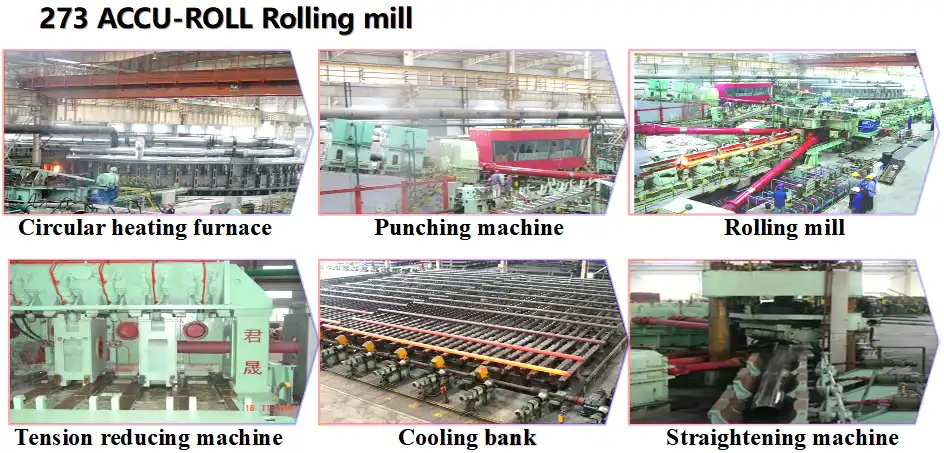
GNEE API Casing pipe process line
GNEE API OCTG Casing Test equipments

GNEE API Oil Well Casing Pipe Certificate

FAQ
Q: Can I interchange STC, LTC, and BTC connections?
A: No. While STC and LTC share the same thread profile (8 round threads per inch), LTC has a longer thread length for higher tension. BTC (Buttress) is a completely different trapezoidal profile. GNEE's technical team can help you match the connection to your tension requirements.
Q: What is the difference between PSL1, PSL2, and PSL3 in casing?
A: These refer to Product Specification Levels. PSL1 is standard, while PSL2 and PSL3 require more rigorous non-destructive testing (NDT) and stricter chemical limits. For offshore or critical wells, GNEE recommends PSL2 at a minimum.
Q: Does GNEE provide Premium Connections (Non-API)?
A: Yes. For high-pressure gas wells requiring 100% leak-proof seals, we provide gas-tight premium connections equivalent to VAM or Tenaris standards.


