Definition of pressure rating
The rated pressure of a pipeline refers to the maximum internal tension that the pipeline can withstand without experiencing long-term disfigurement, leakage or failure. It represents the maximum allowable working pressure that the pipeline can safely handle under specified conditions (such as temperature and environmental factors).
Choosing the correct rated pressure for a specific application is essential to ensure the safe and efficient operation of the pipeline and related equipment. Underestimating the pressure rating may lead to catastrophic failure, while overestimating the pressure rating may lead to unnecessary costs and inefficiency.
Pipeline pressure is generally divided into the following levels:
Low-pressure steel pipe: The commonly used low-pressure steel pipe pressure level is 0.1Mpa-1.6Mpa, which is mainly suitable for water supply, gas transportation and other fields.
Medium-pressure steel pipe: The commonly used medium-pressure steel pipe pressure level is 2.5Mpa-6.4Mpa, which is mainly suitable for chemical industry, thermal pipeline and other fields.
High-pressure steel pipe: The commonly used high-pressure steel pipe pressure level is 10Mpa-32Mpa, which is mainly suitable for petrochemical industry, water conservancy and other fields.
Ultra-high-pressure steel pipe: The commonly used ultra-high-pressure steel pipe pressure level is 32Mpa-100Mpa, which is mainly suitable for marine development, nuclear power plants and other fields.
For ease of use and management, the pressure rating of steel pipes is generally marked on the pipe. The marking method is to cover the surface or port of the pipe with a signboard, and indicate the name, specification, material and pressure rating on the signboard.
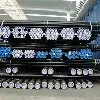
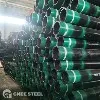
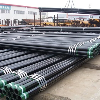
A179 high pressure carbon steel tubing