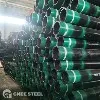
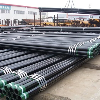
LTC stands for Long Threaded and Coupled. It is a specific type of connection used for oil and gas well casing as defined by the API 5CT standard.
Precision guaranteed. Every LTC joint is gauged to API 5B standards. Request a sample Mill Test Certificate (MTC) now.
Here is a breakdown of what it means in practice:
The Acronym Explained
Long Threaded: The threaded section on the end of the pipe is longer than the "Short" (STC) version. This provides more thread engagement (more "teeth" locking together).
Coupled: The pipes are joined together using a separate sleeve called a coupling.
Technical Characteristics
Thread Profile: It is an 8-round thread (8-RD), meaning there are 8 threads per inch. The threads have a rounded crest (top) and root (bottom).
Tapered: The threads are cut on a taper so that they tighten as they are screwed into the coupling.
Seal Mechanism: It creates a seal through interference fit. This means as you tighten it, the threads compress against each other. A "thread dope" (special grease) is used to fill the tiny gaps and prevent leaks.
Advantages of LTC Threads
Higher Joint Strength
Compared to STC, LTC has a longer thread engagement length. With more threads sharing the load, the connection provides higher tensile strength, supporting heavier casing strings and effectively reducing the risk of "pull-out" (where threads strip or slip apart).
Improved Sealing Performance
While it still relies on thread dope (sealant) for sealing, the longer thread path creates more resistance against fluid penetration. This makes LTC more reliable at preventing liquid leaks than short threads.
Durability and Ease of Handling
The 8-Round thread profile features rounded crests and roots. This design is less prone to damage from minor impacts during field operations (compared to sharp-angled threads) and allows for easier make-up (screwing together).
Cost-Effectiveness
Manufacturing costs for LTC are lower than for BTC (Buttress) or Premium Connections. It offers a high performance-to-price ratio, making it sufficient for the majority of medium-depth development wells.
Universal Compatibility
As an API standard thread, LTC couplings and pipes produced by any API 5CT-certified mill worldwide are interchangeable, making procurement and maintenance highly convenient.
Applications of LTC Threads
Medium-Depth Wells
LTC is used for wells that exceed the load capacity of STC but do not yet require the extreme tensile strength of BTC threads. It is typically used in well sections ranging from 2,000 to 4,000 meters deep.
Standard for Common Steel Grades
LTC is the preferred connection for medium-strength steel grades such as J55, K55, and N80. It is also frequently used for P110 casing when the axial tension and gas-tightness requirements are not extremely severe.
Liquid-Tight Service
Primarily used in crude oil wells, water injection wells, and surface or intermediate casing strings. It excels at blocking oil and water, though High-Pressure Gas Wells usually require an upgrade to Premium Connections for a gas-tight seal.
Standard Vertical Drilling
Ideal for conventional vertical wells without extreme high temperatures, high pressures, or high torque requirements (e.g., non-horizontal sections).
STC vs. LTC vs. BTC Threads
| Feature | STC (Short Round Thread) | LTC (Long Round Thread) | BTC (Buttress Thread) |
| Full Name | Short Threaded and Coupled | Long Threaded and Coupled | Buttress Threaded and Coupled |
| Thread Profile | 8-Round (Rounded V-shape) | 8-Round (Rounded V-shape) | Trapezoidal (Square-like shape) |
| Thread Length | Shortest | Longer | Longest |
| Joint Strength | Lowest (Prone to pull-out) | Moderate (Higher than STC) | Highest (Excellent tensile strength) |
| Sealing Mechanism | Interference fit + Thread Dope | Interference fit + Thread Dope | Interference fit + Thread Dope |
| Leak Resistance | Basic liquid seal | Improved liquid seal | High (Longer leak path) |
| Torque Resistance | Very Low | Low | High |
| Well Depth | Shallow Wells | Medium-Depth Wells | Deep / Ultra-Deep Wells |
| Typical Steel Grades | H40, J55, K55 | J55, K55, N80, P110 | N80, P110, Q125 |
| Cost | Most Economical | Moderate | Highest (among API standard) |
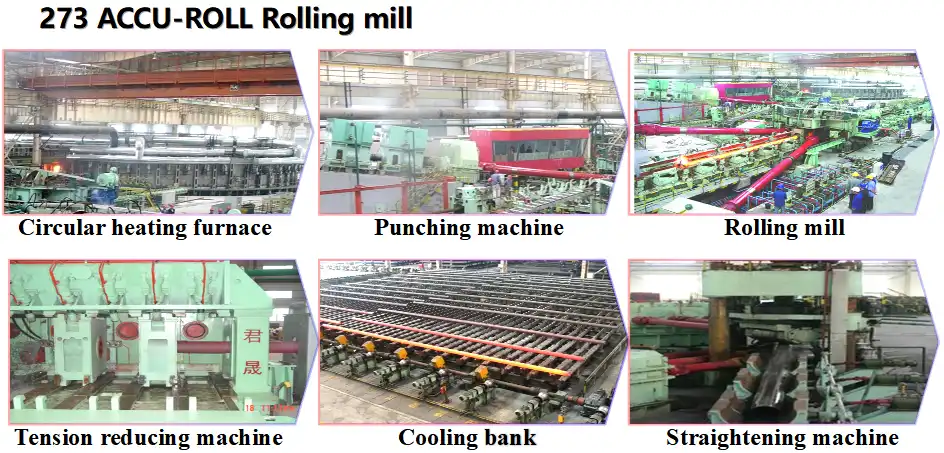
GNEE API Threads process Line
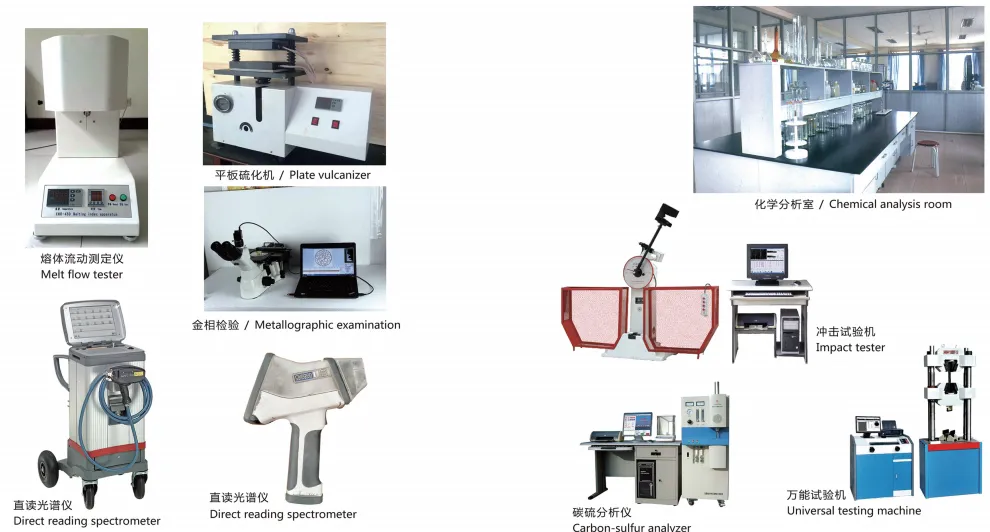
GNEE API Thread test equipment
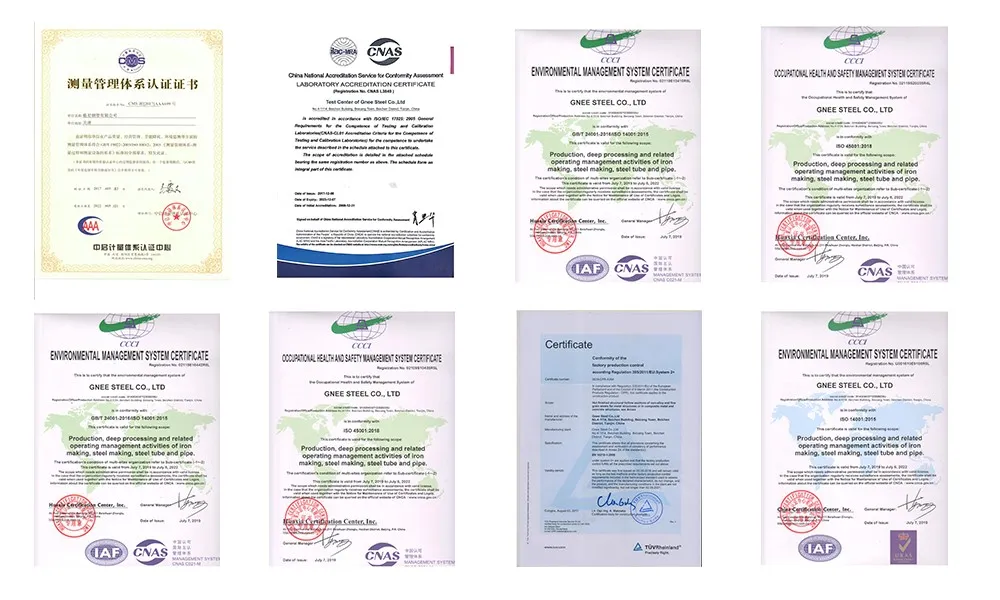
GNEE API Thread Certificate
FAQ
What is the difference between LTC and BTC threads?
The primary difference lies in the thread profile and joint strength.
LTC uses an 8-round (V-shaped) thread, providing moderate tensile strength suitable for medium-depth vertical wells.
BTC features a trapezoidal (square-like) thread, which offers much higher tensile strength and superior torque resistance.
What is the difference between LTC and STC?
The main difference is thread length.
LTC (Long) has a longer threaded area than STC (Short).
Because of this extra engagement, LTC provides higher tensile strength, allowing it to support heavier pipe strings.
STC is shorter and weaker, making it suitable only for shallow wells or surface casing where the load is minimal.