


Both LTC (Long Threaded and Coupled) and BTC (Buttress Threaded and Coupled) are API 5CT standard connections used for casing in the oil and gas industry. While they are both widely used, they have significant differences in thread geometry, joint strength, and application.
Need a full casing string? Get a bundled discount on LTC/BTC pipes, matching couplings, and protectors.
Physical Comparison (Thread Profile)
| Feature | LTC (Long Thread) | BTC (Buttress Thread) |
| Thread Shape | Rounded (V-shape) with rounded crests and roots. | Trapezoidal (Square-like) with a flat load flank. |
| Threads Per Inch (TPI) | 8 Threads per inch (8-RD). | 5 Threads per inch. |
| Visual Appearance | Looks like a standard "screw" thread but longer than STC. | Looks flatter and "stepped" like a flight of stairs. |
Mechanical Performance (The Core Difference)
Joint Strength (Tensile Capacity):
LTC: Has moderate tensile strength. Because it is a V-shaped thread, under extreme axial tension, the threads can "jump" or slip out of the coupling (known as pull-out).
BTC: Has very high tensile strength. The trapezoidal shape locks the threads together more securely. BTC joint strength is often nearly equal to the strength of the pipe body itself.
Torque Resistance:
LTC: Low torque resistance. It is not designed for rotation during drilling or high-torque makeup.
BTC: Higher torque resistance. The flat thread profile allows it to handle more rotation and bending stress compared to round threads.
Leak Resistance:
Both rely on thread dope (sealant) to fill the gaps between threads.
LTC generally has a slightly better liquid seal than BTC in standard conditions because the 8-round threads create a more tortuous path for fluid, but neither is considered "gas-tight."
Application Scenarios
When to use LTC:
Medium-Depth Wells: Typically used in vertical wells of moderate depth (e.g., 2,000m to 4,000m).
Common Grades: Frequently used with J55, K55, and N80.
Economy: It is cheaper than BTC and sufficient for most standard oil and water wells.
When to use BTC:
Deep/Ultra-Deep Wells: Essential for very long casing strings where the weight of the pipe creates massive axial tension.
High-Strength Grades: Standard for P110, Q125, and other high-performance grades.
Deviated Wells: Used in wells where the pipe might experience bending or moderate rotation.
Summary Comparison Table
| Feature | LTC (Long Round) | BTC (Buttress) |
| Standard | API 5B / 5CT | API 5B / 5CT |
| Tensile Strength | Moderate | High |
| Sealing | Good Liquid Seal | Moderate Liquid Seal |
| Torque Capacity | Low | Moderate to High |
| Price | Lower | Higher |
| Best Used For | Standard vertical wells | Deep, heavy casing strings |
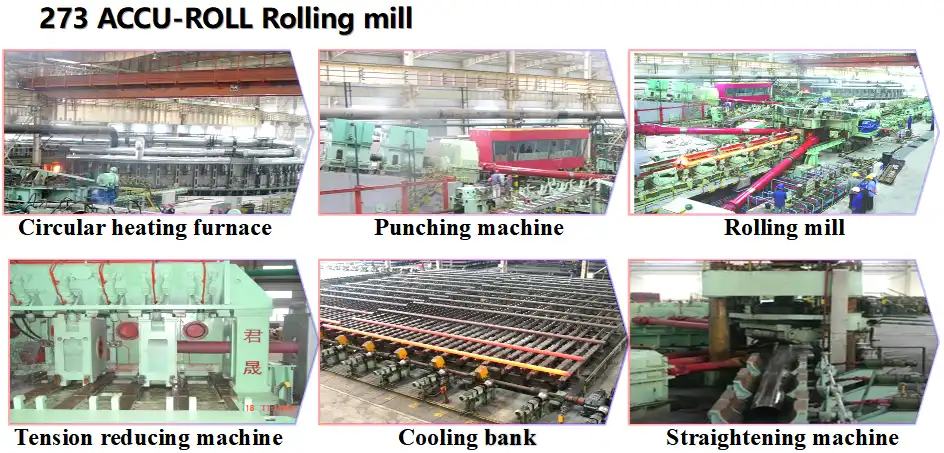
GNEE API Thread Process Line
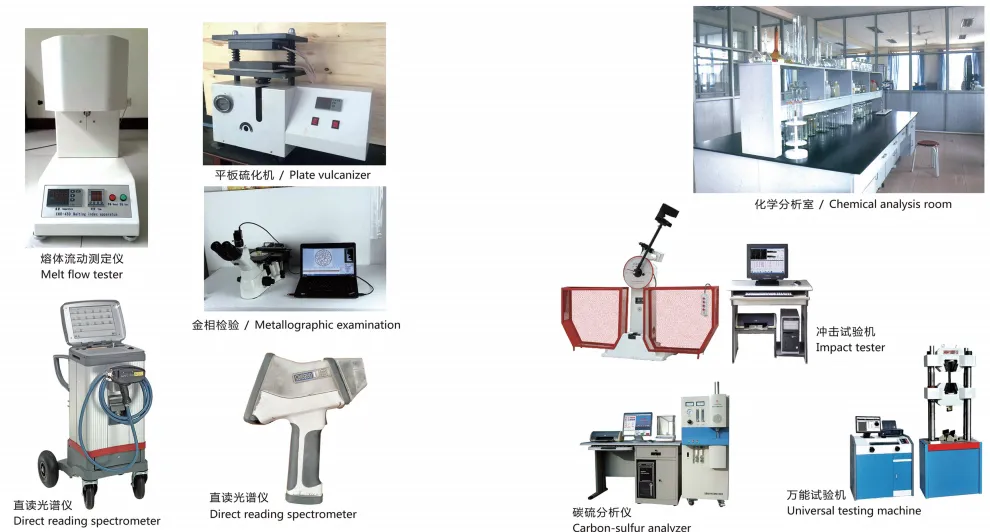
GNEE API Thread Test Equipments
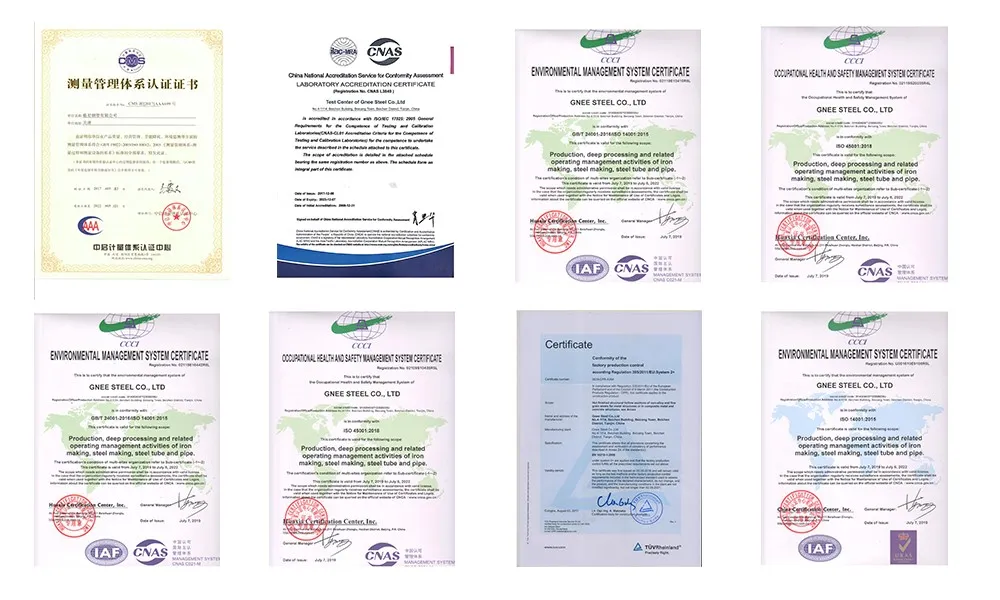
GNEE API Thread Certificate
FAQ
What is a BTC thread?
BTC stands for Buttress Threaded and Coupled. It is a high-strength API-standard connection used for casing in the oil and gas industry.
Key features include:
Design: It features a trapezoidal (square-like) thread shape with 5 threads per inch.
Strength: It offers extremely high tensile strength, meaning the connection is nearly as strong as the pipe body itself.
Application: It is the industry standard for deep wells, high-pressure environments, and heavy casing strings where standard round threads (LTC/STC) might fail under the pipe's own weight.
Performance: It handles bending and axial loads much better than round threads, making it suitable for high-strength grades like P110.
What is LTC thread?
LTC stands for Long Threaded and Coupled. It is an API-standard casing connection featuring an 8-round thread profile (8 threads per inch).
Key characteristics:
Strength: The "Long" threaded section provides more engagement than STC (Short Thread), resulting in higher tensile strength to support heavier pipe strings.
Sealing: It relies on an interference fit and thread dope (sealant) to create a liquid-tight seal.
Application: It is the industry standard for medium-depth wells, offering a perfect balance between robust mechanical strength and cost-efficiency.


