


Both STC (Short Threaded and Coupled) and LTC (Long Threaded and Coupled) are API standard 8-round threads (8 threads per inch).
STC (Short Threaded and Coupled)
STC is the most basic connection type under the API 5CT standard. It belongs to the "8-round thread" family (meaning there are 8 threads per inch).
Features: As the name implies, the threaded area is relatively short. The thread profile is rounded (V-shape with rounded crests and roots). While it is easy to machine, the overlap area between threads is small.
Strength: It has the lowest joint strength (tensile strength) among API casing connections. It has limited load-bearing capacity and is prone to "pull-out" (where threads strip or slip apart) under heavy axial loads.
Sealing: It relies on thread dope (sealant compound) to fill the gaps between threads. It provides a basic liquid-tight seal but is not gas-tight.
Applications:
Shallow Wells: Used for shallow oil/water wells or surface casing.
Low Pressure: Suitable for environments with minimal tension and pressure requirements.
Low Budget: This is the most economical connection option.
LTC (Long Threaded and Coupled)
LTC uses the exact same thread profile as STC (8-round thread), but the threaded area is longer.
Features: By increasing the thread engagement length, it provides a larger contact area between the pipe body and the coupling.
Strength: The tensile strength is significantly higher than that of STC. Because more threads are engaged, it can support much heavier casing strings and offers better resistance to axial tension.
Sealing: Like STC, it relies on thread dope for sealing. While it is still not 100% gas-tight, its sealing reliability is better than STC because it has a longer "leak path" (more threads for the fluid to pass through).
Applications:
Medium-Depth Wells: Used in wells of moderate depth where the casing string's own weight creates significant tension.
Common Grades: Frequently paired with grades like J55, K55, and N80.
The main differences lie in their length, strength, and application:
Physical Length
STC: As the name suggests, the threaded area and the coupling are shorter.
LTC: The threads are longer, meaning there are more threads engaged between the pipe and the coupling.
Tensile Strength (Joint Strength)
STC: Because there are fewer threads engaged, it has lower "pull-out" resistance. It is the weakest of the API casing connections.
LTC: The additional thread length provides higher tensile strength. It can support more weight (longer pipe strings) before the threads strip or pull apart.
Application
STC: Recommended for shallow wells and top-hole casing where the load and pressure are minimal. It is the most economical option.
LTC: Used for deeper wells and mid-range environments where higher tension is placed on the casing string due to its own weight.
Sealing Capability
Both rely on thread compound (dope) to fill the gaps between the rounded threads to create a seal. Neither is considered "gas-tight." However, LTC generally offers slightly better leak resistance than STC because of the longer leak path (more threads).
Summary Table:
| Feature | STC (Short) | LTC (Long) |
| Thread Length | Shorter | Longer |
| Strength | Lower | Higher |
| Well Depth | Shallow | Medium/Deep |
| Cost | Lowest | Moderate |
GNEE API Thread Process Line
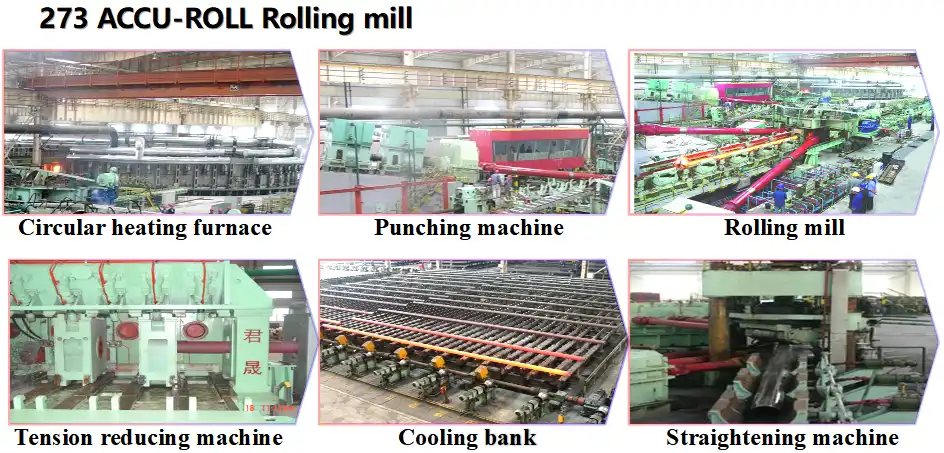
GNEE API Thread test equipments

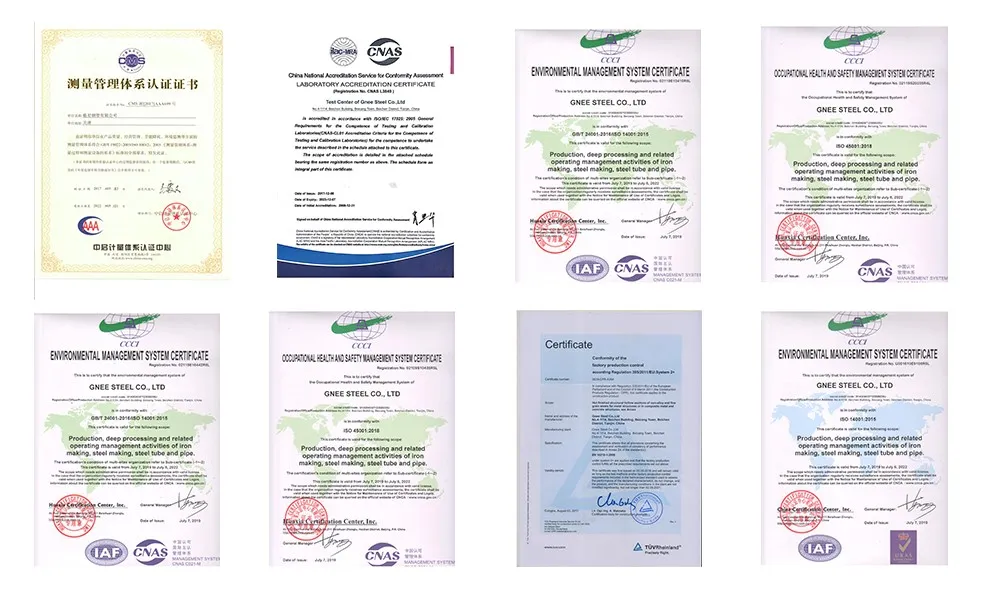
GNEE API Thread certificate
FAQ
What is an API thread?
An API thread is a standardized industrial connection for oilfield pipes (casing, tubing, and line pipe) defined by the American Petroleum Institute.
Common Types: STC (Short Round), LTC (Long Round), and BTC (Buttress).
Purpose: It ensures universal compatibility, allowing pipes and couplings from different manufacturers worldwide to fit together perfectly.
Sealing: These threads are usually tapered and rely on thread dope (a special sealant grease) to create a leak-proof seal.
Key Advantage: They are the most cost-effective and widely used connections for standard drilling and production environments.
What is an LTC thread?
An LTC thread (Long Threaded and Coupled) is an API-standard connection for casing pipes. Key features include:
Design: It features an 8-round thread profile (8 threads per inch) with a longer thread length than the standard STC (Short) thread.
Strength: The additional thread engagement provides higher tensile strength, allowing it to support heavier pipe strings in deeper wells.
Sealing: It relies on thread dope (sealant) to create a liquid-tight seal between the rounded threads.
Usage: It is the industry standard for medium-depth wells where extra joint integrity is required.


