


Casing is a large-diameter steel pipe used in the drilling and completion of oil and gas wells. It is lowered into the borehole by a drilling rig and secured to the formation walls with cement to form a permanent structural component of the well.
In the oil and gas industry, "casing" can be categorized in three main ways: by its function (the string type), by its material grade, and by its connection (thread type).
Drilling in a sour environment? Contact us for API 5CT L80/C90/T95 casing solutions that fully comply with NACE MR0175.
Types by Function (The Casing Strings)
As a well is drilled, different "strings" of casing are installed at different depths to perform specific roles:
Conductor Casing: The first and largest string. It prevents the top of the well from caving in (washout) and directs drilling fluid back to the surface.
Surface Casing: Protects fresh-water aquifers from being contaminated by oil or gas and provides a solid foundation for the Blowout Preventer (BOP).
Intermediate Casing: Used in deeper wells to isolate "trouble zones" (like high-pressure areas or unstable rock) so that drilling can continue safely to the target depth.
Production Casing: The final string. It provides a dedicated conduit for the oil and gas to travel from the reservoir to the surface.
Liner: A type of casing that does not reach the surface. It is hung from the bottom of a previous casing string to save costs and reduce the weight of the string.
Types by Material Grade (API 5CT)
Casing is classified into "grades" based on its strength and resistance to corrosion:
General Grades (J55, K55, N80): Used in shallow or medium-depth wells where conditions are not extremely corrosive.
Sour Service Grades (L80, C90, T95, C110): Specifically heat-treated to have a controlled hardness (Max 23 HRC for L80). These are essential for wells containing Hydrogen Sulfide ( H2S ).
High-Strength Grades (P110, Q125): Designed for very deep and high-pressure wells. They can support massive weights but are generally not resistant to H2S (sour service).
Corrosion Resistant (L80-13Cr): Contains high Chromium to resist Carbon Dioxide (CO2) corrosion.
Types by Connection (Thread Type)
The pipes must be screwed together. The type of thread determines the joint's strength and seal:
STC (Short Threaded & Coupled): Best for shallow, low-tension applications.
LTC (Long Threaded & Coupled): Most common for standard medium-depth vertical wells; offers better tensile strength than STC.
BTC (Buttress Threaded & Coupled): High-strength trapezoidal threads designed for deep wells and heavy loads.
Premium Connections: Proprietary threads (e.g., VAM®, TenarisHydril) that provide a metal-to-metal seal. These are mandatory for high-pressure gas wells to ensure 100% gas-tight integrity.
Table for Procurement
| Category | Main Types | Selection Criteria |
| Function | Surface, Intermediate, Production | Well Depth & Groundwater Protection |
| Grade | J55, L80, P110 | Pressure, Depth & H2S Levels |
| Thread | STC, LTC, BTC, Premium | Tension Load & Gas-Tightness |
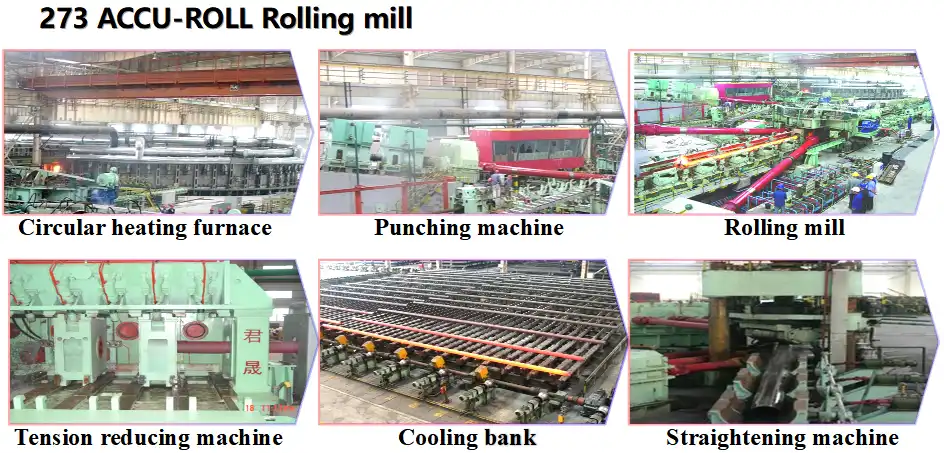
GNEE API Casing Pipe process line
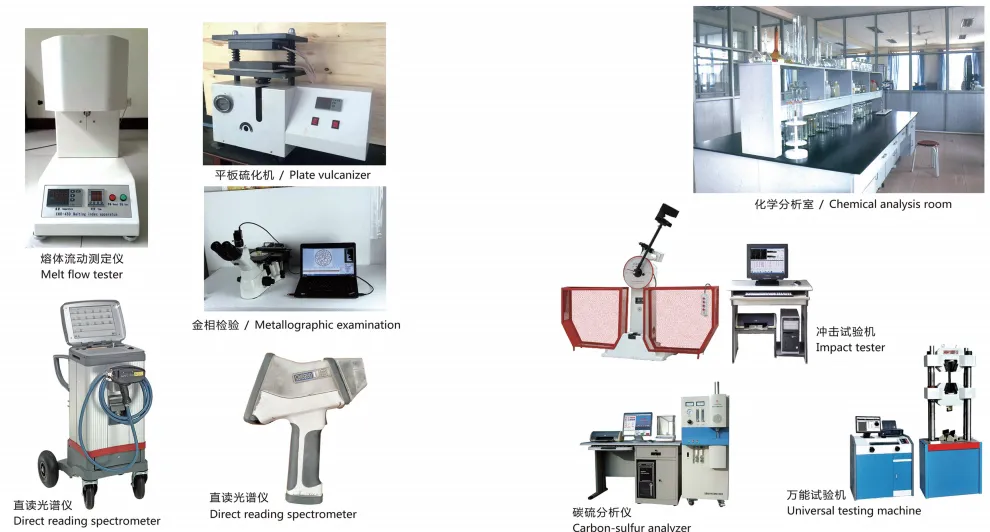
GNEE API Oil Well Casing Pipe Test Equipments
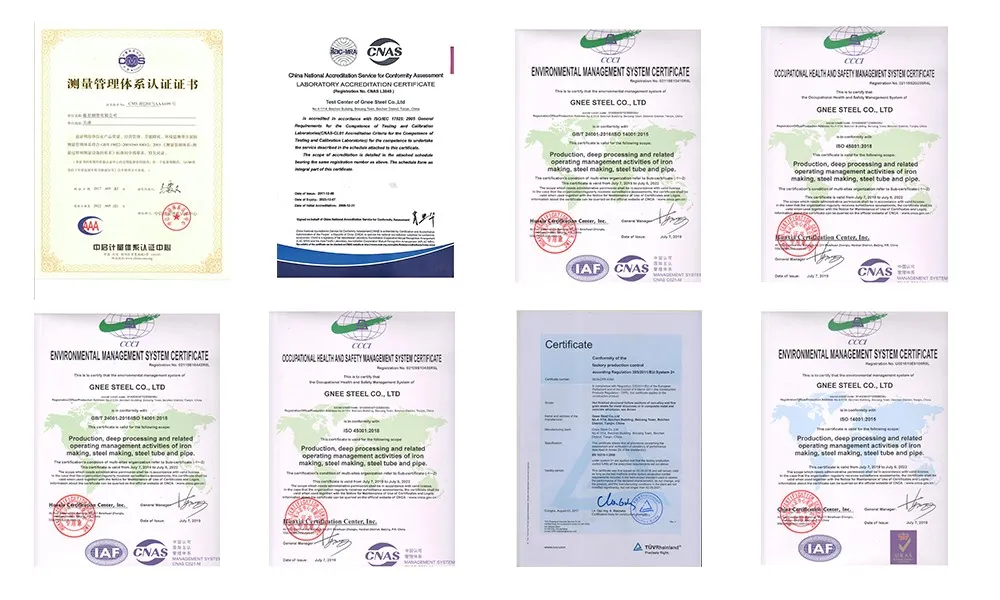
GNEE API OCTG Casing certificate
FAQ
What is range 3 casing?
Range 3 refers to the specific length of a single joint of casing as defined by the API 5CT standard.
Length: A Range 3 casing joint typically measures between 38 and 45 feet (approximately 11.58 to 13.72 meters).
Comparison: It is the longest standard range (Range 1 is the shortest at 16–25 ft; Range 2 is the most common at 25–34 ft).
Advantage: Using Range 3 casing reduces the number of connections (screwing pipes together) needed to reach the target depth, which saves time during installation and reduces potential leak points.
Disadvantage: They are more difficult to transport and require taller drilling rigs to handle the extra height.
What are the different sizes of casing?
Casing sizes are measured by their Outside Diameter (OD). According to API 5CT, common sizes range from 4-1/2 inches to 20 inches. Here is how they are typically used:
Small (4-1/2" to 7"): Usually used as Production Casing or Liners for the final section of the well where oil and gas flow.
Medium (7-5/8" to 10-3/4"): Often used as Intermediate Casing to isolate troublesome formations or high-pressure zones.
Large (13-3/8" to 20"): Typically used as Surface Casing or Conductor Casing to protect freshwater layers and support the well's top structure.


