


Is K55 carbon steel?
Yes, K55 is a grade of carbon steel.
Specifically, it is a medium-carbon steel grade defined by the API (American Petroleum Institute) Specification 5CT. It is primarily used in the oil and gas industry for OCTG (Oil Country Tubular Goods), such as well casing and tubing.
Partner with a trusted API-certified manufacturer. View Our Project Case Studies to see how our K55 carbon steel performs in the field.
K55 Chemical Composition (According to API 5CT)
API 5CT specifications for K55 are relatively flexible regarding alloying elements. It primarily limits harmful impurities (Phosphorus and Sulfur). The specific content of Carbon and Manganese is determined by the manufacturer to meet the required mechanical properties.
| Element Name | Symbol | Requirement (Mass Fraction %) |
| Phosphorus | P | ≤ 0.030 |
| Sulfur | S | ≤ 0.030 |
| Carbon | C | Manufacturer's discretion (typically 0.20 - 0.40) |
| Manganese | Mn | Manufacturer's discretion (typically 1.00 - 1.50) |
K55 Mechanical Properties
The "55" in K55 represents a minimum yield strength of 55,000 psi.
| Property | Unit (psi) | Unit (MPa) |
| Yield Strength | 55,000 - 80,000 | 379 - 552 |
| Tensile Strength | ≥ 95,000 | ≥ 655 |
| Minimum Elongation | Based on specimen cross-sectional area | Based on specimen cross-sectional area |
| Hardness Test | No maximum limit specified | No maximum limit specified |
K55 Casing and Tubing Specification
| Feature | K55 Specification |
| Standard | API 5CT |
| Material Type | Medium Carbon Steel |
| Min Yield Strength | 55,000 psi |
| Min Tensile Strength | 95,000 psi |
| Service Type | Sweet Service (Non-Sour) |
| Best For | Shallow/Medium wells, low-pressure environments |
Characteristics:
High Tensile Strength: While it shares the same yield strength as J55, K55 has a significantly higher tensile strength, providing better resistance to fracture.
Excellent Machinability: It offers good weldability and is easy to thread (connection processing).
Cost-Effectiveness: As a low-to-medium strength grade, it is an economical choice for shallow and medium-depth wells.
Limitations: It is a standard carbon steel and is not resistant to corrosion. It is susceptible to Sulfide Stress Cracking (SSC) in environments with high
H2S or CO2.
Applications:
Oil & Gas Drilling: Primarily used as Casing (lining the borehole) and Tubing (transporting oil/gas to the surface).
Shallow to Medium Wells: Suitable for conventional wells with moderate pressure and low corrosive environments.
Structural Components: Used in certain oilfield geological conditions as surface support pipes.
Comparison: K55 vs. J55
K55 and J55 are the most similar grades in the API 5CT standard. They are often interchangeable, but the differences are critical:
| Comparison Item | J55 | K55 | Difference Description |
| Yield Strength | 55 - 80 ksi | 55 - 80 ksi | Identical |
| Tensile Strength | ≥ 75 ksi (517 MPa) | ≥ 95 ksi (655 MPa) | K55 is significantly higher |
| Chemical Composition | Limited P, S | Limited P, S | Similar (K55 may have slightly higher alloys) |
| Heat Treatment | Not mandatory | Not mandatory | Both are usually delivered in as-rolled state |
| Delivery Condition | Normalizing/Tempering allowed | Normalizing/Tempering allowed | Identical |
| Application Environment | General wells, lower loads | General wells, higher loads | K55 offers higher safety against pulling apart |
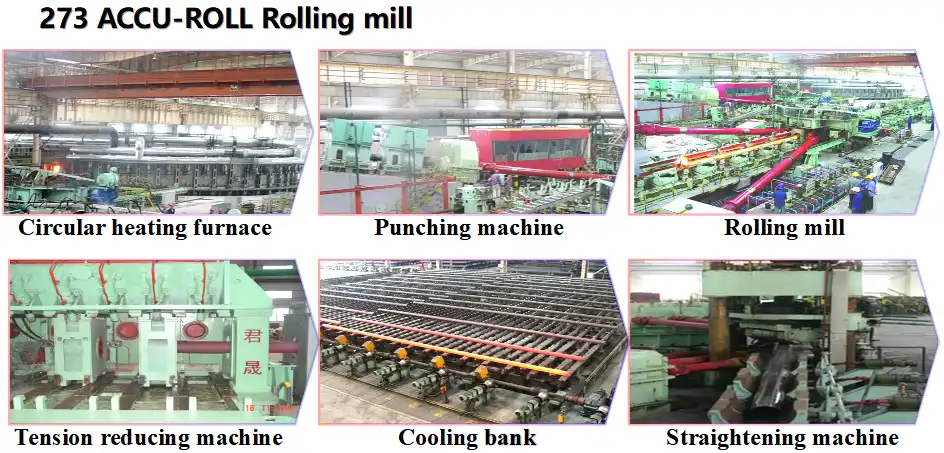
API 5CT K55 OCTG Process Line
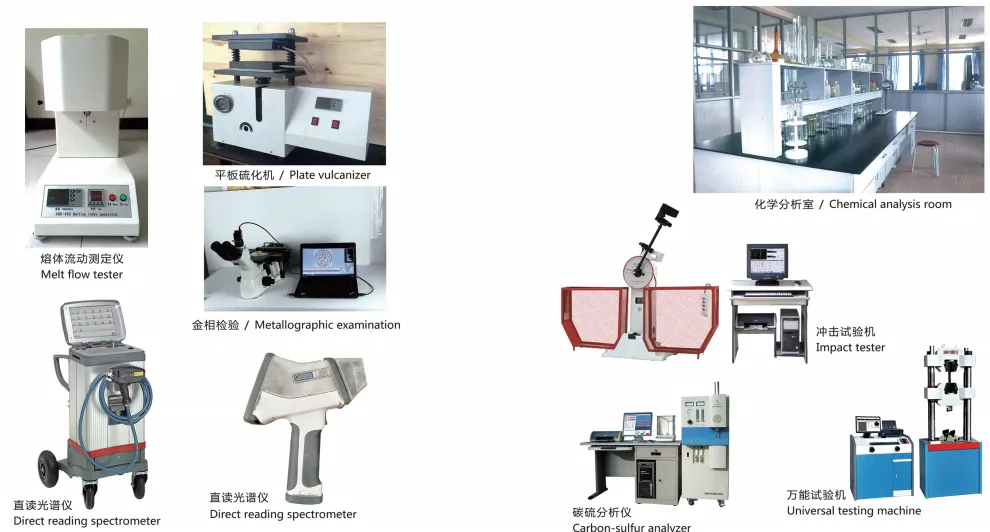
API 5CT K55 Casing Pipe test Equipments
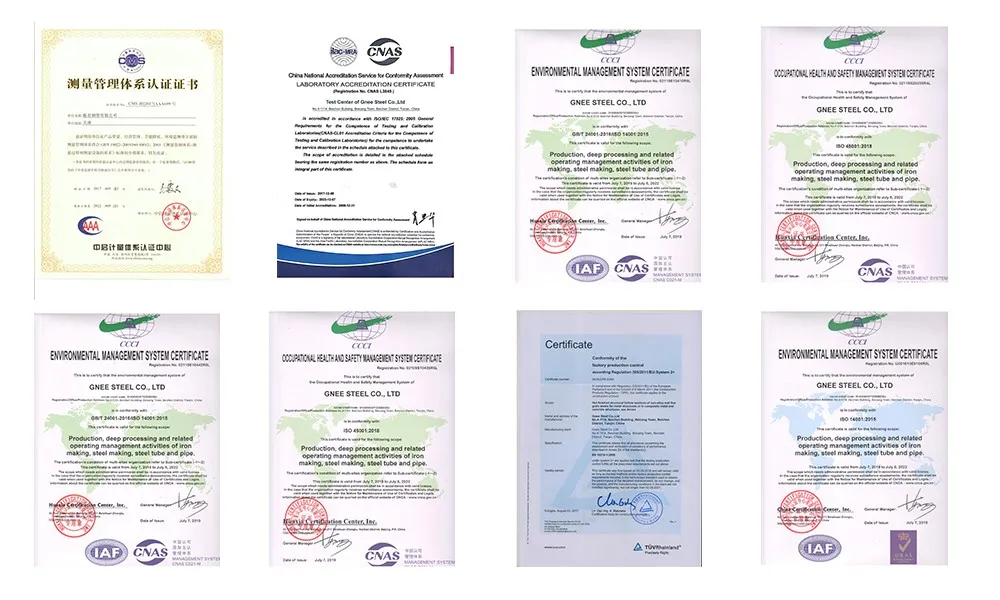
API 5CT K55 Oil Well Casing Pipe certificate
FAQ
What is the chemical composition of API 5CT K55?
While the exact chemistry can vary slightly by manufacturer, it generally consists of:
Carbon (C): Typically 0.20% – 0.40%
Manganese (Mn): Often 1.00% – 1.50% (added for strength and toughness)
Phosphorus & Sulfur: Kept to very low levels to prevent brittleness.
What is K55 casing material?
K55 casing material is a specific grade of carbon steel used in the oil and gas industry for Oil Country Tubular Goods (OCTG). It is manufactured according to the API 5CT specification set by the American Petroleum Institute.


